
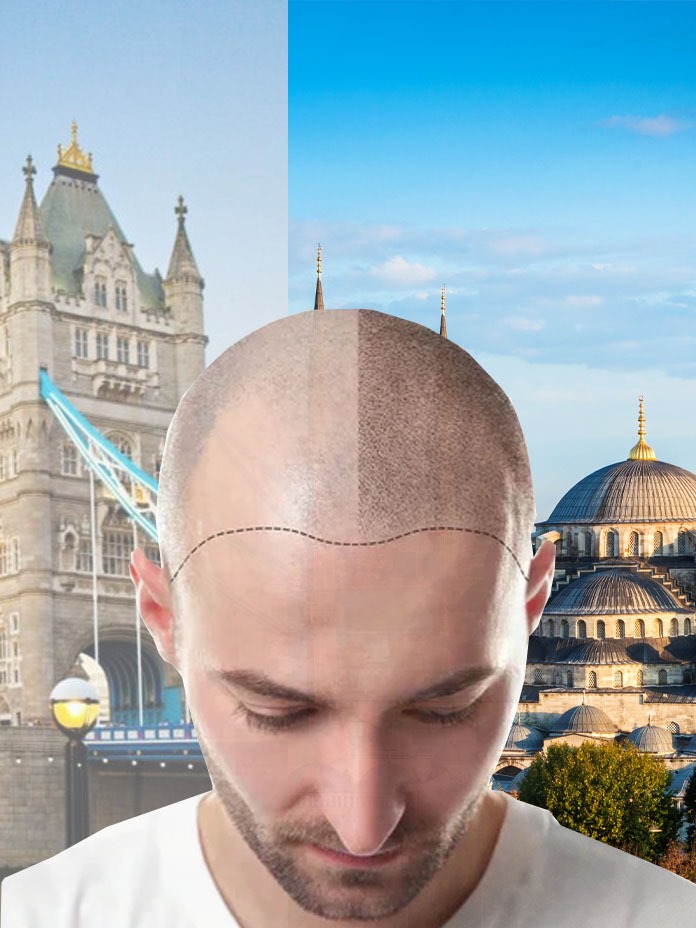
Hair transplants have actually emerged as a common way to deal with hair loss. Most people today, seeking confidence and enhancing one’s appearance, are opting for such treatments. Among the most popular destinations for hair transplants, in order of popularity, are the UK and Turkey. Both destinations have a good advantage, but which destination is better? Let us know. Why choose UK hair transplants? UK standard advanced medical care is known. Clinic regulation is very tight so that they are safe, professional and well-arranged for the patient to meet there without harm to patients in hospitals in Britain, trained seriously through certifications by authorized medical boards of acknowledged universities around the world. When you want to receive treatment in any of the UK clinics, they are very accessible. Schedule follow-ups easily. Don’t expect that far for post-treatment, especially with long-term visits. The UK offers personalized services. Clinics take the time to understand each patient’s unique needs. They provide tailored treatment plans. This enhances the chances of achieving natural results. However, these benefits come at a cost. Hair transplants in the UK are often expensive. Prices can range between £4,000 and £12,000. For some, this is a significant barrier. Why Choose Turkey for Hair Transplants? Turkey has become a global hub for hair transplants. Treatment in the country is less expensive. On average, procedures in Turkey cost anywhere from £1,500 to £3,500. This is a fraction of the price in the UK. Turkish clinics are efficient. A number of them cater for international patients. They offer packages that include accommodation and transport. Convenience is a compelling factor for many. Turkey’s medical tourism has been booming. Consequently, many surgeons are very experienced. They do hundreds of procedures every year. Some clinics use advanced techniques like FUE (Follicular Unit Extraction) and DHI (Direct Hair Implantation). However, choosing Turkey comes with risks. Not all clinics maintain high standards. Some operate without proper regulations. Language barriers may also complicate communication. It is essential to research thoroughly before committing. Key Differences Between the UK and Turkey Cost: The UK is much more expensive. Turkey provides low-cost alternatives without compromising on quality in some clinics. Regulation: The UK’s health care is highly regulated. Turkey has very good clinics, but standards vary widely. Convenience: The UK makes it easier to get aftercare. Turkey provides all-inclusive packages but may not be convenient for aftercare. Experience: Both countries have very experienced surgeons, but Turkey’s large number of patients gives its doctors a lot of experience. Factors to Consider When Choosing a Destination When choosing between the UK and Turkey, consider your priorities. Cost is a significant factor. If your budget is limited, Turkey may be more suitable. However, if safety and follow-up care are crucial, the UK is likely a better choice. Research is important. Find clinics with good reviews. Check the surgeons’ qualifications. Ask for photographs of patients’ before and after procedures. This helps determine the level of competence they possess. Also, note the period you need to stay for. It’s not long in Turkey to a week or two at worst. For the UK, you might go back home the same day, depending on where the clinic was located. Verdict: Which One is Better? The UK and Turkey both have their strengths. The UK promises safety, regulation, and convenience. Turkey gives the promise of affordability and the surgeon is usually well-experienced. There’s nothing inherently better with either choice. The best depends on you, really. A Reliable Choice Regardless of whether you are in search of a transplant in the United Kingdom or in other countries, this is very helpful. Hera Hair Solutions offers the best hair transplant in Turkey, including consultancy and assistance. The team guides you to the right direction to get the solutions best suited to your situation. That way, using the expertise, you can make a decision that is fully confident and well-informed. Come to Hera Hair Solutions now and start your journey to having healthy hair again. Choose from our hair professionals and let them take you to the right path in your hair restoration process.
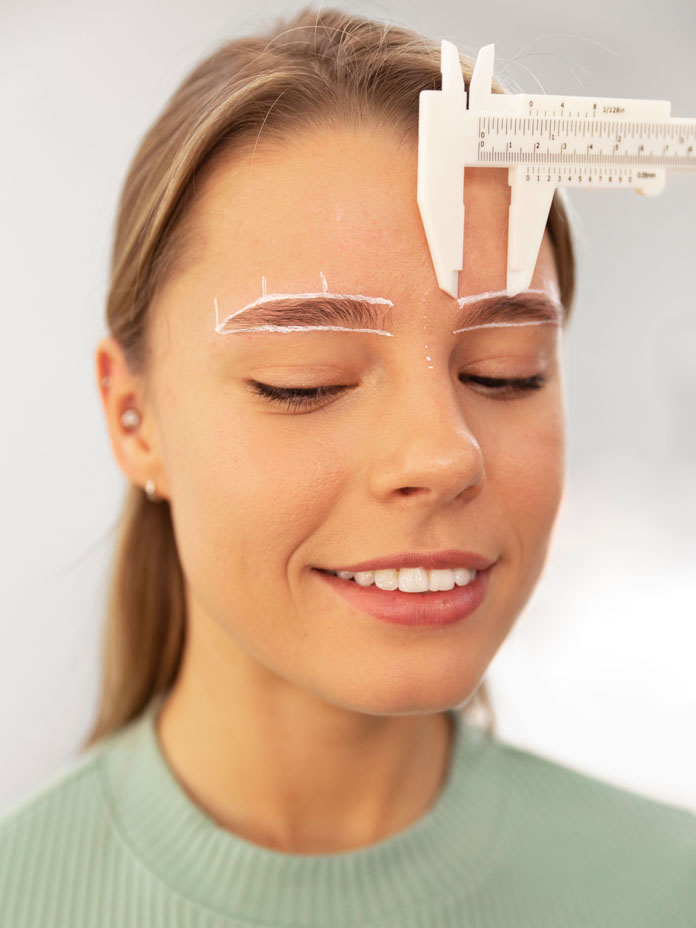
What Are the Causes of Eyebrow Hair Loss?
Eyebrows are quite significant in defining facial expressions. It beautifies and balances facial appearance. However, for some, losing eyebrow hair or thinning could be a stressful thing to happen. Superciliary madarosis or the loss of eyebrow hair may be caused by some factors. Let’s go over the common causes and how you can address it. Aging Aging is a natural process. As we age, hair follicles weaken. This can cause thinning hair, including eyebrows. The decrease in collagen and elastin affects hair growth, causing eyebrows to become sparse over time. Nutritional Deficiencies Nutrients are vital for healthy hair growth. A deficiency in vitamins such as B7 (biotin), D, or minerals like iron may cause hair loss. Eyebrows are not an exception. Poor nutrition starves hair follicles, reducing their strength and growth rate. Hormonal Imbalance Hormones control many body processes, and hair growth is no exception. Hair cycle can be influenced by disorders like hypothyroidism or hyperthyroidism. During menopause, estrogen levels fluctuate, which can cause thinning of the eyebrows in women. Alopecia Areata Alopecia areata is an autoimmune disease. The immune system attacks hair follicles mistakenly. This causes hair loss, including the eyebrows. It usually comes as patchy bald patches. In extreme cases, it can cause complete loss of hair, which is called alopecia universalis. Skin Diseases Skin health directly affects eyebrow growth. Inflammation from conditions like eczema, psoriasis, or seborrheic dermatitis can damage hair follicles, causing hair loss. Itching or scaling will make the condition worse over time. Stress Stress affects the body. High levels of stress can cause a condition called telogen effluvium. Here, hair follicles enter the resting phase prematurely. Due to this, you might experience shedding, even on your eyebrows. Over-Plucking Eyebrow plucking is common. However, excessive plucking can prove harmful. Prolonged over-plucking of eyebrows weakens hair follicles. Eventually, it may result in permanent damage and no growth. Medical Treatments Certain treatments or drugs can lead to hair loss. For instance, chemotherapy. Chemotherapy is known to kill fast-growing cells, and this includes hair follicles. Other drugs include anticoagulants and anti-epileptic drugs. Genetics In some cases, a person may inherit the characteristic of having sparse or thinning eyebrows. If your close relatives have sparse or thinning eyebrows, then you may be bound to get the same. The density and growth pattern of your eyebrow hair are also determined by genetics. Infections Fungal or bacterial infections can affect eyebrow health. Conditions like ringworm or folliculitis inflame the hair follicles. This leads to itching, redness, and eventual hair loss. Chemicals and Allergic Reactions Cosmetic products, such as eyebrow pencils or dyes, may contain harsh chemicals. Prolonged use can cause irritation or allergic reactions. This damages the delicate eyebrow area, leading to hair loss. Underlying Medical Conditions Certain diseases indirectly affect eyebrow growth. Diabetes, lupus, or anemia can affect the entire body and hair growth in general. If you have an underlying condition, seek medical attention. Can Lost Eyebrow Hair be Regrown? In most cases, eyebrow hair loss can be treated. Identifying the root cause is essential. For nutritional deficiencies, supplements can help. Hormonal imbalances may require medication or therapy. For conditions like alopecia areata, steroid injections or other treatments may be effective. Lifestyle changes also come into play. A healthy diet, reduced stress, and avoidance of harsh chemicals can all contribute to the health of the eyebrows. Proper care, combined with the right approach, will make a difference. Seeking Professional Help Professional help can truly be a lifesaver if one experiences loss of eyebrow hair. Understanding that loss of hair makes anyone less confident, we offer our solutions at Hera Hair Solutions to restore and create beautiful brows. This could range from non-invasive treatments to cosmetic alterations to create an idealized beauty that everyone desires to get hold of. Regain your confidence and redefine your look with Hera Hair Solutions, the best place for eyebrow transplant in Turkey . Explore our services and schedule a consultation by visiting herahairsolutions.com/V2/. Your journey to fuller, beautiful brows starts here.
How Much Does a Hair Transplant Cost?
Hair transplant solutions are among the effective restorative solutions of hair loss. They are gaining much popularity and deliver natural results to many. Still, how much does a hair transplant cost? If you consider cost factors and procedures in their entirety, you’ll surely be making an informed choice about such a life-altering process. So, let’s take it apart and know in greater detail. Factors Determining the Cost of Hair Transplantation Type of procedure The cost of different techniques varies. Advanced techniques such as Sapphire FUE or DHI Hair Transplants are usually more expensive than the older techniques. The price is determined by the precision, tools, and expertise needed. For example, Sapphire FUE uses advanced tools that enhance precision and minimize scarring, while DHI provides a more natural hairline. Degree of Hair Loss The cost of treatment was proportional to the size of the area to be treated. This is because the extent of baldness which requires the grafts also increases as the hair loss progresses. Hence, for minor thinning, a small number of grafts are needed, and therefore the cost of the operation is lower in comparison with extensive baldness. Clinic Expertise There is always a variation of the price depending on the reputation and experience of the clinic. Some clinics with experienced doctors and equipment may be expensive but the clinics always have fewer complications or touch-up operations. Geographical Location It depends on the place where it is being done. In larger provinces or states, or in a province where the demand for physicians is high, clinics tend to set a higher rate. On the other hand, clinics that operate in less populated areas or areas of low competition could set their rate lower and still provide quality service. Other Services Some of the clinics may offer post-operative care, consultation and drugs in the package offered to the patients. Some of them offer these services on an extra cost basis. Such expenses are usually extra charges and therefore you need to know what is charged at the mentioned price. Average Cost Range The cost of hair transplant varies across the world. For example, in UK, it ranges between £3,000 and £7,000. In the States, the cost varies between $4,000 and $15,000 depending on the type of the procedure and clinic. Follicular Unit Extraction (FUE): This is one of the most common techniques, which costs between $2,000 and $5,000 globally. It is less invasive and provides very natural appearance of hair transplants. DHI (Direct Hair Implantation): A more accurate technique, DHI may cost from $3000 to $6000. It is used for fine and detailed results. Robotic Hair Transplants: These are based on high technology and are normally expensive, costing between $8000 and $15000. Cost vs. Quality Choosing a cheaper clinic might seem appealing, especially if you’re on a tight budget. However, cost should not compromise quality. A poorly done procedure may require corrections, leading to additional expenses and extended recovery periods. Always prioritize clinics with proven expertise, transparent pricing, and positive client reviews. High-quality care often translates to long-lasting, satisfactory results. Hera Hair Solutions: Affordable Excellence When looking at a hair transplant, Hera Hair Solutions is one that can be trusted. It has been in business for many years and has qualified professionals working with it, which provides the best quality care based on the requirements of each client. It offers affordable prices without a compromise on quality. Below is the detailed information on services they offer: Procedure Starting Price Range Sapphire FUE $1,500 – $2,000 DHI Hair Transplant $1,800 – $2,500 Manual Hair Transplant $1,200 – $1,500 Female Hair Transplant $1,200 – $1,800 Hera Hair Solutions unites innovation and individual care. Here, they wish to serve the client through custom-planned hair restorations for him to regain self-confidence. You might have small touch-up needs, or you want to seek a complete restoration procedure, the best is given to clients. Final Words The cost of a hair transplant depends on several factors, which include the type of procedure, clinic expertise, and individual needs. Despite the variation in price, it is important to ensure the provider offers quality and value for money. Investing in a reputable clinic means long-term satisfaction and confidence about your appearance. For trusted and affordable hair transplant in Istanbul, check out Hera Hair Solutions. Their expert team is all set to guide you step by step, from consultation to post-operative care. With Hera Hair Solutions, you can have the hair you have always wanted at a price you can afford.

Red Light Therapy: Hair Growth Effects & Benefits
Hair loss can affect self-confidence and overall well-being. Many people look for effective solutions to regain thicker, healthier hair. One increasingly popular treatment is red light therapy. Research-based, non-invasive therapy is helping many people to combat hair loss and promote hair growth. In this blog, we discuss how red light therapy works and all its benefits. What is Red Light Therapy? Red light therapy is using low-level laser light. It exposes the scalp to wavelengths of 630 to 660 nanometers. Light penetrates through the skin and reaches the hair follicles. The main target is to activate cellular activity with enhanced blood circulation. With increased circulation, nutrients and oxygen are provided to the hair follicle, allowing hair growth to occur. How Does Red Light Therapy Work for Hair Growth? Red light therapy targets the mitochondria in hair follicle cells. The mitochondria are considered the energy centers of cells. When red light is exposed to these cells, they produce more energy. It stimulates healing and growth. This increases the activity in the hair follicles. This also helps the dormant follicles become active. In due course, it leads to thicker, stronger hair. Benefits of Red Light Therapy: Scientifically Proven Studies have revealed that red light therapy offers several benefits to those experiencing hair loss. Here are the most notable: Stimulates Hair Growth Red light therapy improves blood flow to the scalp. This nourishes hair follicles and supports natural hair growth. It also extends the hair growth phase, resulting in longer, healthier strands. Increases Hair Density Regular sessions increase the density of hair strands. This is very beneficial to those experiencing thinning hair. Strengthens Hair Red light therapy fortifies the hair roots. Hair becomes less likely to break and shed after some time. Non-Invasive and Painless Red light therapy is non-surgical, unlike surgical treatments. The sessions are painless with no downtime required. This therapy is appropriate for many different types of hair loss, including male and female pattern baldness. It causes few side effects, thus is safe for most patients. Who Can Benefit from Red Light Therapy? Red light therapy is suitable for both men and women with hair loss. It works very well for people who are in the early stages of hair thinning. Those who have more advanced hair loss can still benefit from this treatment if they do it regularly. Red light therapy can also be used for anyone who wants to enhance hair thickness or strength. It can be used as an adjunct treatment after a hair transplant to speed up healing and improve results. What to Expect from Red Light Therapy Different individuals will experience different results. Most people will start to feel improvements within three to six months of consistent treatment. The key to success in red light therapy is maintaining regular sessions and patience. Hair regrowth is a process that takes time. The therapy does not work overnight, but it offers an effective long-term solution in conjunction with other hair care practices. How to Get the Most Benefits Red light therapy would be incorporated into the proper hair care routine, that is: Healthy nutrition: vitamin and mineral intake Balanced shampoo and conditioners Low heat and non-abusive chemical processing. You need consistency. For any noticeable change, one can expect through red light therapy, he or she would have to see these with regular sessions. Why opt for red light therapy? Hair loss treatments vary, but few are as convenient and non-invasive as red light therapy. It fits into your routine without any downtime. The treatment is scientifically proven, making it a safe alternative to other more aggressive treatments. Red light therapy is promising for individuals looking for a natural solution that still works. This treatment tackles hair loss at the root, literally, giving long-term benefits without having to go through invasive procedures. Discover Expert Solutions at Hera Hair Solutions Hera Hair Solutions knows the importance of your hair to you. We offer the best in red light therapy with personalized treatments for you. Our team is committed to achieving your hair restoration goals by safely and effectively providing red light therapy. Visit Hera Hair Solutions to learn more about Hair Transplant in Istanbul. Find out how red light therapy can transform your hair care journey today.

Can Energy Drinks Cause Hair Loss?
Energy drinks are very popular these days. They give a quick burst of energy, which makes people feel alert and active. Many students, professionals, and athletes rely on them to boost performance. But could these drinks harm your hair? Some believe that energy drinks might cause hair loss. Let’s look at how energy drinks can affect hair health. How Do Energy Drinks Impact Hair Health Overall well-being defines hair health. Healthy hair is defined by an adequate balanced diet, sleep, and proper hydration. These factors have been interfered with by energy drinks. If continued, this interference is bound to harm your hair. There are several reasons why this happens. They are discussed in detail below: High Sugar Levels in Energy Drinks Most energy drinks contain loads of sugar. High sugar intake can cause significant damage to your body, such as to your hair health. Sugar causes your insulin levels to spike. In turn, this affects your blood flow. Healthy blood flow is essential for your hair follicles to receive the required amount of oxygen and nutrients. When the scalp is poorly nourished, hair roots become weak. This weakening causes the hair to thin and fall off altogether. Over time, often drinking sugary drinks damage the hair roots permanently. Caffeine Loss of Hair The main ingredient in energy drinks is caffeine. It makes you feel more awake and focused. However, too much caffeine can harm your body and hair. One of the major side effects of excessive caffeine intake is disrupted sleep. Sleep is the essential time needed to repair and grow hair cells. When you don’t get enough rest, there’s an increase in the production of stress hormones, such as cortisol. High cortisol levels are damaging to hair follicles. They push hair into the shedding phase earlier than usual, which means more loss. In addition, caffeine is a diuretic. It makes your body lose water faster, and thus dehydration is more likely to happen. A dehydrated scalp often leads to weaker hair roots and breakage. Hormonal Imbalances Energy drinks can affect your hormones. High levels of caffeine and sugar can increase stress hormones. When stress hormones are too high, they disrupt the natural growth cycle of hair. Hair grows in cycles, which are growth, rest, and shedding. Hormonal imbalances could make the growth phase very short, hence hair will fall out very fast. However, there is always some amount of shedding, which becomes visible over time, caused by excess shedding resulting from hormones. Poor Nutritional Value Energy drinks give you a temporary energy boost but lack the essential nutrients. Your hair needs vitamins and minerals such as biotin, zinc, and iron to grow and stay healthy. If you rely on energy drinks instead of healthy food, your hair may suffer. Over time, this lack of nutrition can weaken hair strands. Without the right nutrients, hair becomes brittle, breaks easily, and grows slower. Dehydration and Hair Breakage Caffeine in energy drinks increases urination and thus results in dehydration. Hydration is essential for hair. If your scalp is dry, then the hair would become brittle and break easily. Also, if your body is not hydrated, then it can’t transport nutrient supplies, and this causes the condition of your hair follicles. Can Hair Loss from Energy Drinks Be Reversed? Yes, in most cases, hair loss caused by energy drinks is reversible. The first step is to limit or stop consuming energy drinks. Give your body time to recover. By improving your diet, staying hydrated, and getting enough sleep, you can restore your hair’s health. Tips to Protect Your Hair If you’re worried about hair loss, take the following steps: Cut Down on Energy Drinks: Limit your intake to avoid long-term effects. Hydrate: Drink plenty of water each day to keep your scalp and hair healthy. Nutrition: Eat foods rich in vitamins and minerals. Include fruits, vegetables, nuts, and whole grains in your diet. Sleep: Ensure 7–8 hours of good-quality sleep every night to lower stress levels. Hair-Friendly Products: Use shampoos and conditioners that are designed to nourish hair. Experts: If hair loss continues, seek professional help to find the right solution. Why Hera Hair Clinic? If energy drinks or other lifestyle factors have led to your hair thinning, Hera Hair Clinic is here to help as the best place for hair treatment in Turkey . Advanced hair treatments are our specialty at Hera Hair Clinic. Our specialists can determine the root cause of your hair loss and prescribe the right solution. From hair regrowth treatments to scalp care, we will support you. Final Thoughts Energy drinks may boost your energy temporarily, but they can harm your hair in the long run. High sugar, caffeine, and poor nutritional content can weaken hair follicles. Over time, this may lead to hair thinning or even noticeable hair loss. The best way to protect your hair is by focusing on a healthy lifestyle. Limit energy drinks, eat a balanced diet, and stay hydrated. If hair loss persists, consult experts like those at Hera Hair Clinic. Our team can help you regain your confidence with healthier, fuller hair. Come by Hera Hair Clinic today to learn more about what we offer and how we can make that hair dream come true. Your hair deserves only the best!

Microneedling (Dermarolling) for Hair Loss: Is It Effective?
Hair loss is one of those conditions that affects millions of people. For many, it triggers a loss of confidence in themselves. However, thanks to innovative treatments, this challenge can be solved. Such a treatment is microneedling, also called dermarolling. One of the most talked-about techniques for hair loss, microneedling has emerged as the last hope. But what is its efficacy? It is time to take a closer look at this treatment and what it offers. What is Microneedling? Microneedling is a non surgical cosmetic treatment that helps revive skin by using an apparatus with numerous, very small needles that pierce the skin and create micro-injuries. As much as it may sound dangerous, it is safe and regulated. When microneedling is done on the scalp it stimulates healing. This helps in waking up inactive hair follicles and also initiates hair growth. It also helps in the healing of the scalp as a whole which is very important for great, thick hair. What Does Microneedling Do for Hair Loss? Microneedling works in two primary ways: Produce collagen and elastin. Collagen and elastin are proteins that help to maintain skin and hair’s shape and flexibility. The procedure of microneedling stimulates the generation of these proteins subsequently making the hair follicles stronger. Healthier follicles prevent hair loss and hair becoming thinner. Improving Topical Treatments Microneedling makes very small puncture wounds in the skin of the head. Such holes enable hair growth products such as minoxidil to reach deeper layers of the skin on the scalp. Higher penetration improves such treatments making them yield better results. The benefits of Microneedling for hair loss: Microneedling has become a popular option for many people due to the following advantages: 1. Not Surgical and Safe It is not a surgical procedure, and the majority of the individuals are capable of enduring it. It is less aggressive than other invasive procedures. 2. Minimal Downtime As compared to the surgical procedures, recovery from microneedling is not at all time consuming. The patient can return to their normal activities shortly after the treatment is done. 3. Economical Solution Microneedling is much cheaper than hair transplant surgeries. It is cheap for those who are in search of a cheap solution. 4. Promotes Hair Regrowth Microneedling is basically an effective treatment that can be done in harmony with the healing process of the human body. The hair regrowth solution is chemical free. Microneedling: What to Expect During the Treatment If you are thinking about microneedling, it will be useful to know more about the procedure to alleviate your fears. Here’s what typically happens during a session: 1. Initial Consultation In this case, you will have a word with a specialist before the procedure. They will want to know about your scalp and hair loss history. 2. Preparation An anaesthetic cream is normally used on the scalp to help minimize pain. After that, the area is prepared, and the professional utilizes a dermaroller or microneedling pen. 3. Microneedling Process The device is rolled or pressed lightly on the scalp. They are very small and cause puncture wounds. This increases the blood circulation and also wakes up the hair follicles. 4. Post-Treatment Care The skin of the scalp may look slightly red after the session is over. This is normal and should subside in the first one or two days of use of the product. Experts may also advise on the type of hair products to use in order to get the best result. In order to get a visible positive change, several sessions are required. Usually, 4-6 sessions are held with an interval of several weeks. Are There Any Risks? In any case, microneedling is not risky if it is performed by an experienced dermatologist. The only side effects are very mild and include: Temporary redness or swelling Skin irritation or Skin sensitivity One must go to a good clinic. This lowers chances of accidents and ensures that the right method is applied. Why Choose Hera Hair Clinic for Microneedling? Hera Hair Clinic is one name that can be trusted for hair transplant in Istanbul. The practitioners here employ state of the art microneedling tools for maximum efficacy and minimal harm. They also go further and add microneedling to other treatments like PRP, to give the best outcomes. As it has been established, Hera Hair Clinic offers personalized treatment for all clients. The professionals evaluate your particular status and create a solution that fits you. This kind of an approach makes certain that the best result is achieved. For more information about the services offered by Hera Hair Clinic, click on the link here. Their team is prepared to provide you with the confidence back with healthier fuller hair. Is Microneedling Suitable for You? Microneedling is suitable for most people suffering from hair thinning or early-stage hair loss. However, it may not be the best choice for people with certain scalp conditions or infections. Therefore, it is important to consult a professional to know if microneedling is the right choice for you. Final Thoughts Microneedling is a powerful and effective treatment for hair loss. It is safe, affordable, and supported by scientific research. Whether used alone or in combination with other treatments, microneedling can significantly improve hair thickness and scalp health. If you’re tired of struggling with hair loss, consider microneedling. At Hera Hair Clinic, you’ll receive expert care and guidance. Take the first step toward restoring your hair and confidence today.

Donor Area in Hair Transplantation: Where is the Donor Site?
Hair transplantation has emerged as a revolutionary solution for hair loss. It restores not only hair but also confidence. Whether you choose DHI (Direct Hair Implantation) or Sapphire FUE Hair Transplant, the role of the donor area is pivotal. But what exactly is the donor area? Let’s break it down. What Is the Donor Area? The donor area is the part of your scalp where hair is taken for transplantation. This area usually has thick, healthy hair growth. It is usually found at the back or sides of the head. These areas are genetically resistant to hair loss, making them ideal for transplantation. At Hera Hair Clinic, specialists make sure that the donor area is carefully assessed. This ensures that there is enough healthy graft for the procedure without compromising the natural appearance of the donor site. Why Is the Donor Area Important? The success of a hair transplant greatly depends on the donor area. Here’s why: Limited Resource: The hair in the donor area is finite. It must be used wisely. Natural Outcome: Hair transplant from this area gives the resultant hair the opportunity to mesh perfectly with the existing locks. Graft Quality: Healthy grafts from this area ensure higher quality transplants. The donor area is utilized for maximizing the results at Hera Hair Clinic as modern techniques are used through DHI and Sapphire Hair Transplants. DHI and Sapphire Hair Transplant: How they make use of the Donor Area Both DHI and Sapphire Hair Transplants use advanced techniques. The difference is in the method used. DHI Hair Transplant In DHI Hair Transplant, the grafts are extracted with a fine tool called micro-punch. The follicles are then directly implanted into the recipient area using a special pen-like device. This avoids the pre-made incisions. Key advantages: Less scarring in the donor region. Rapid recovery. Precise hair placement. Sapphire Hair Transplant: Sapphire Hair Transplant makes microincisions with a sapphire-tipped blade in the recipient area. Grafts are taken out with high precision and placed there. Benefits: Incisions are done with precision for natural results. Healing process is improved. Less chances of complications. Both the techniques pay attention to the health and conservation of the donor area. Hera Hair Clinic has modified these techniques as per your requirements. Tips on Preparing the Donor Site Before Hair Transplant Follow these pre-care tips for your donor area to ensure the best results from your hair transplant: Keep the area clean: Use a mild, sulfate containing shampoo to wash your scalp. Do not use styling products: No gels, sprays, or chemicals that cause your scalp to become itchy or irritated. Avoid the sun: To avoid direct exposure to the sun, wear a hat or use sunscreen. Quit smoking and limit alcohol consumption: It has been known that both factors affect circulation and the healing process of the injury. Consult Your Surgeon: Comply with instructions regarding discontinuation of some drugs or dietary supplements. These steps are useful in creating a healthy donor area to get the best results. Caring for the Donor Area After Hair Transplant As for the further treatment of the donor area, it is also very important after the procedure. Here are some tips: Avoid Scratching: This can cause irritation in the area and slow the rate of healing. Follow Instructions: Take prescribed medicines and do not use strong shampoos. Stay Gentle: No strenuous exercises or lifting heavy objects are advisable for some days. The doctors at Hera Hair Clinic will explain the aftercare process to you so that the recovery process is not complicated. Why Choose Hera Hair Clinic? A clinic is as important as the procedure. Hera Hair Clinic stands out as the provider of the best hair transplant in Turkey for the following reasons:” Experienced Team: The clinic has an experienced team of professionals with years of experience in hair transplantation. High-Tech Techniques: DHI and Sapphire methods are used. Individualized Care: Each patient receives a tailored treatment. Natural Appearance: The first and foremost objective of the clinic is to provide a natural look and feel after treatment. At Hera Hair Clinic, patient satisfaction is the main aim. The process from consultation to aftercare is planned in such a way that the entire process becomes smooth and effortless. Final Thoughts In hair transplant, the donor area is crucial and therefore it should be good. While selecting DHI or Sapphire Hair Transplant, your donor area should be looked after well so that the final outcome is lifelong and as natural as possible. Hera Hair Clinic is one place you could completely trust your hair to restore. Sophisticated methods with an individual approach to hair restoration are undoubtedly effective, gentle, and enjoyable. Visit the Hera Hair Clinic website to consult with them today. Your hair needs the best. Come and see what results Hera Hair Clinic produces.
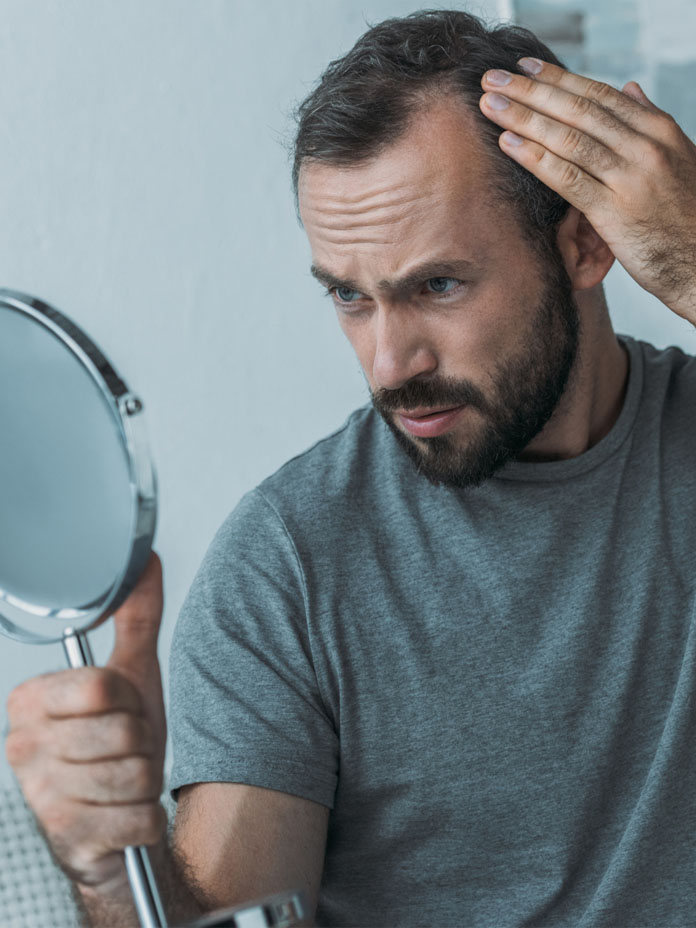
Hair Loss: Types, Symptoms, Causes & Treatments
Hair loss is a common concern affecting millions worldwide. It occurs in both men and women, causing a loss of confidence and emotional stress. Thankfully, with the advancements in hair restoration, people are now able to regain their natural look. At Hera Hair Clinic, we understand the impact of hair loss and offer cutting-edge treatments to address this issue. This blog provides a detailed guide to hair loss types, symptoms, causes, and available treatments, including why women are turning to Turkey for successful hair transplants. Types of Hair Loss Hair loss comes in various forms, each with distinct patterns and causes. Androgenetic Alopecia Alopecia Areata Telogen Effluvium Traction Alopecia Scarring Alopecia Each type requires a unique approach for diagnosis and treatment. Identifying the root cause is crucial for effective intervention. Symptoms of Hair Loss Hair loss often starts subtly and progresses over time. Common symptoms include: Monitoring these signs early helps in seeking timely professional advice. Causes of Hair Loss Hair loss comes from a number of factors, including: Genetics Family history is the leading cause of androgenetic alopecia Hormonal Changes Pregnancy, menopause, or thyroid conditions often result in hair thinning. Medical Conditions Scalp infections, alopecia areata, or autoimmune conditions may cause hair loss. Medications and Treatments Cancer, depression, or hypertension drugs can lead to hair loss. Stress and Lifestyle Poor nutrition, excessive stress, and improper hair care routines compromise the follicles. Knowledge of the cause helps experts provide appropriate treatments. Hair Loss Treatment Hair restoration science has made treatment possible. Our experts at Hera Hair Clinic can offer you individualized treatment to regain your hair and your confidence. Treatment Options: 1. Medication Minoxidil and Finasteride are drugs most commonly used for inducing hair growth and slowing down the hair loss process. 2. PRP Therapy A non-invasive treatment. Uses the patient’s plasma to rejuvenate hair follicles and stimulate growth. 3. Low-Level Laser Therapy (LLLT) A painless procedure Illuminates hair follicles with light waves. 4. Hair Transplant Surgery Permanent Hair Solution for Severe Cases Techniques like FUE, Follicular Unit Extraction, and DHI offer the most natural-looking results for a hair transplant. Hair transplants for women are becoming increasingly sought after, especially in Turkey since it is inexpensive and guarantees the best results. Advanced care is offered at Hera Hair Clinic, where patients easily regain their hair with virtually no downtime. Why Choose Hair Transplants in Turkey? Turkey has become a major destination for hair restoration and other treatments. Women from far and wide travel to it for advanced treatments, and for one very good reason: At Hera Hair Clinic, we specialize in hair transplant for women in Turkey. With a dedicated team, the care for each patient would be personalized in a place that is both relaxing and professionally run. Why Choose Hera Hair Clinic? Hera Hair Clinic – a trusted name in hair restoration, by combining professional expertise with modern technology, and ensuring absolute patient satisfaction. From fuller hair to healthy locks, Hera Hair Clinic can begin for you. Conclusion: Hair loss is a personal journey, but it doesn’t have to define you. The right diagnosis and treatment will put your confidence back on track. From medication to non-surgical options, to hair transplant surgery, there is a solution for every stage of hair loss. The best Hair transplants are done in Turkey, and Hera Hair Clinic happens to be your trusted associate. Visit Hera Hair Clinic today to learn more about these procedures and take the very first step toward a more renewed you.
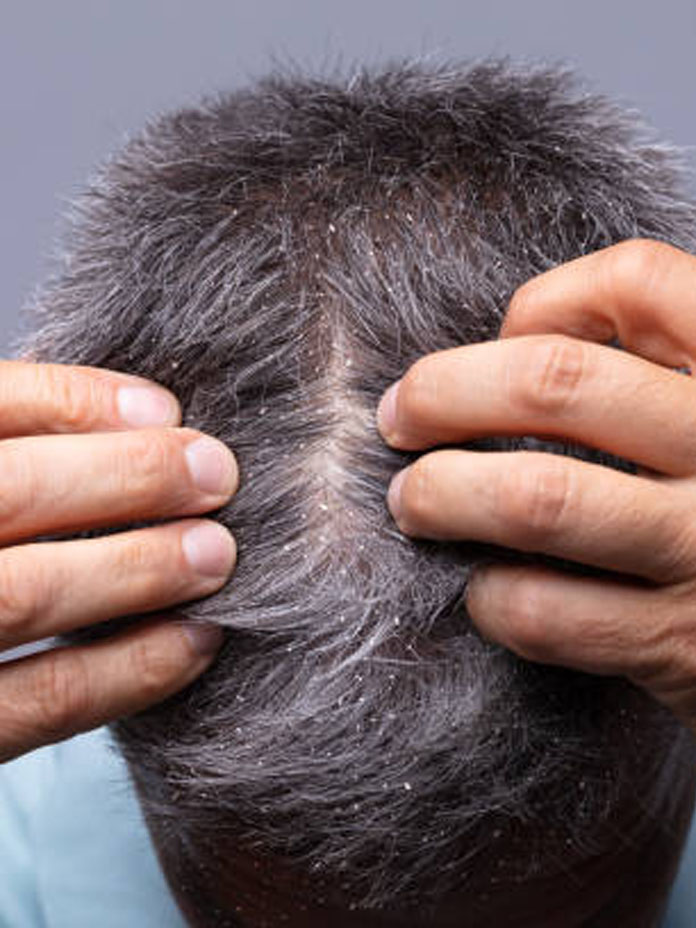
Can Dandruff Cause Hair Loss? An In-Depth Look
It is common for dandruff and hair loss to coincide and most people tend to think that one leads to the other. However, the relationship is not as straightforward. Dandruff in and of itself does not lead to hair loss but its symptoms and consequences make the hair fragile and contribute to hair loss. 1. Persistent Pruritus and Hair Loss Dandruff results in constant itching. If you rub your head often, you are actually harming the skin’s outer layer. This repeated scratching of the head tends to compromise hair roots and therefore likelihood of hair shedding increases. As for long-term effects, long-term scratching can cause little lesions or scabbing, which will aggravate the damage to the scalp and hinder hair growth even more. 2. Scalp Inflammation When the skin condition becomes worse, it causes inflammation that affects hair follicles. The constant irritation is able to alter their normal function, so they slow down hair growth or stop it completely. Inflammation also leads to hair weakening which makes the hair break and shed more often. 3. Hair Follicle Blockage Dandruff causes formation of flakes of dead skin which combine with sebum. Together, these can clog hair follicles, thus denying them the ability to grow healthy hair. Gradually it damages the follicles and due to this reason hair starts to become weak and they are unable to grow well. 4. Stress and Hair Loss Many people consider dandruff as embarrassing and stressful. Stress is also a causative factor of hair loss because stress causes hair follicles to enter a resting phase. This condition is known as telogen effluvium and, as mentioned, causes hair loss that becomes reasonably conspicuous. 5. Poor Scalp Health In most cases, dandruff is a sign of an unhealthy scalp. A dry, flaky, or excessively oily scalp is not the best conditions for healthy hair growth to occur. This imbalance occurs at the follicle level thus making hair more vulnerable to fall. How Severe Dandruff Can Increase Hair Loss? Dandruff’s impact on hair depends on the level of its severity. Light dandruff is not severe and may lead to only slight itching and scaling but it has no effect on hair quality. However, extreme instances of dandruff lead to inflammation and therefore more vigorous scratching which in turn leads to inflammation and skin injuries. In its worst state, it can lead to scalp infections if not treated. Infections also break the skin’s defenses and damage hair follicles even more. This makes it important to treat dandruff as soon as it is noticed in order to avoid it getting worse. How to Reverse Hair Loss Due to Dandruff? The hair loss resulting from dandruff is normally not as serious and permanent as that resulting from other conditions. When the problem with the scalp is solved, the hair has an opportunity to regrow. However, long-term untreated dandruff may cause the most severe consequence – permanent follicle damage. Some of the dandruff control shampoos not only enhance the health of the scalp, but also encourage hair growth. Anti-dandruff shampoos, medicated treatments and correct scalp care regimes are necessary to remedy the situation. Effects of Dandruff on Hair: Chronic Consequences Although dandruff is not fatal, the consequences of this problem for hair are quite serious. Dandruff causes your hair to shed constantly and in the long run, your hair will appear less dense than before. Also, it can cause other conditions of scalp, like seborrheic dermatitis, which in turn results in higher hair loss. As for those who have to fight with dandruff and hair loss, it is crucial to turn to a specialist. The problem might be simple dandruff or there could be other issues like hereditary or some disease which only an expert can determine. Why is Managing Dandruff Key? The hair and scalp have to be healthy for one to have healthy hair. Taking care of dandruff is the initial step toward avoiding hair loss and nurturing hair for a lifetime. Just using the right shampoos, not using very damaging hair products, and a balanced diet can do a lot. Guidance for Hair Loss Caused by Dandruff In case dandruff does not go away, it is advisable to consult a professional. Dandruff that persists may be associated with other diseases such as seborrheic dermatitis or psoriasis and therefore should be treated by a specialist. Hera Hair Clinic, the best hair transplant in Turkey, is the place where you can get a diagnosis of scalp problems and start treatment for hair restoration. Our treatments for the hair are more sophisticated in that they address issues such as; dandruff, inflammation and blocked follicles to make your scalp as healthy as possible for hair production. Don’t let itchy scalp, dandruff, and hair loss hinder you from being yourself. Make an appointment with Hera Hair and Skin Clinic to learn more about individual approaches and how to get rid of dandruff and have healthy hair.

Healthy Diet After Hair Transplant
A hair transplantation is truly life-changing. Your hair returns; confidence is made stronger. After surgery, however, it is not the end. Proper post-surgery care brings the best results. An important aspect of that care is a healthy diet. Healthy diet would make your scalp heal faster and make your new hair stronger. At Hera Hair Clinic, we know the gravity of post-transplant care. Our experts guide patients at every step. This includes advice on eating the right foods for recovery. Why Is Diet Important Post-transplant? Your scalp must heal after a hair transplant. Your body labors to repair tissues and grow hair. Nutrition makes this possible. Vitamin and minerals and proteins are the essential nutrients for healing. Without them, healing may be slowed down. Even the success of the procedure might be affected by poor nutrition. Nutrients to Expect After Hair Transplant Protein Hair has a protein called keratin, and consuming adequate protein can strengthen hair and promote growth. Try to have lean meats, fish, eggs, beans, and nuts in your diet. Vitamin C Vitamin C has a function of tissue repair and increases collagen production. Collagen is beneficial to the health of hair follicles. Those foods which are citrus fruits, berries, and green vegetables include good amounts. Vitamin A This vitamin supports the production of sebum, a natural oil. Sebum keeps your scalp hydrated. Carrots, sweet potatoes, and spinach are rich in Vitamin A. Iron Iron improves blood circulation to the scalp. This ensures your hair gets enough oxygen and nutrients. Include spinach, red meat, and legumes in your diet. Zinc Zinc helps repair damaged tissue. It also regulates oil glands around hair follicles. You can find zinc in nuts, seeds, and whole grains. Omega-3 Fatty Acids These healthy fats reduce inflammation and promote hair health. Salmon, walnuts, and flaxseeds are excellent choices. Biotin Biotin, or Vitamin B7, strengthens hair and prevents thinning. Eggs, bananas, and avocados are rich in biotin. Water Drink up. Hydration is important for keeping the scalp moist and supporting overall recovery. Food List For simplicity, here’s your post-transplant diet food list: What to Avoid? On the other hand, some foods slow down recovery or damage hair health. Avoid: Breakfast: Scrambled eggs with spinach and whole-grain slice of toast. Drink an orange juice. Lunch: Grilled salmon with quinoa and steamed broccoli. Snack: A handful of mixed nuts and a banana. Dinner: Chicken breast and roasted sweet potatoes.. Performance Recovery Tips Eat Small, Frequent Meals Big meals can be cumbersome. Eat small, balanced meals throughout the day. Take Meds As Prescribed Eat if your doctor suggests supplementing with some vitamins or vitamins/supplements, take them as directed. Avoid Crash Diets Crash diets create an imbalance in your diet causing your body to miss some of the essential nutrients. Eat small, balanced meals instead. Long Term Health Gains from Good Nutrition Other than recovery, maintaining a nutritious diet has its huge advantage for hair. It provides high-quality texture and strength in addition to an excellent shiny shine of your hair. Healthy diet can even prevent future hair loss. Why Hera Hair Clinic? At Hera Hair Clinic, we care for our patients beyond the procedure. Our team offers personal advice regarding diet and lifestyle. We ensure that every patient achieves the best possible results. If you are planning to have a hair transplant or recently underwent one, let Hera Hair Clinic be your guide. For more information, visit our website. The Role of Patience and Consistency A healthy diet is not a silver bullet. All its benefits will only start to manifest themselves after weeks or even months. Hair growth following a transplantation process is like any other cycle in nature, and you can only expect visible results after some time. A good diet combined with good patience will enable you to get the best possible results. Moreover, keep in mind that recovery will differ from one individual to another. Stay in contact with your doctor and follow their advice. At Hera Hair Clinic, we put your recovery journey first. For personal post-transplant care and expert support, visit the official website. Your hair dreams awaits here, the best place for hair transplant in Turkey. A healthy diet is your best friend after a hair transplant. Start eating right today and benefit for years to come!

