
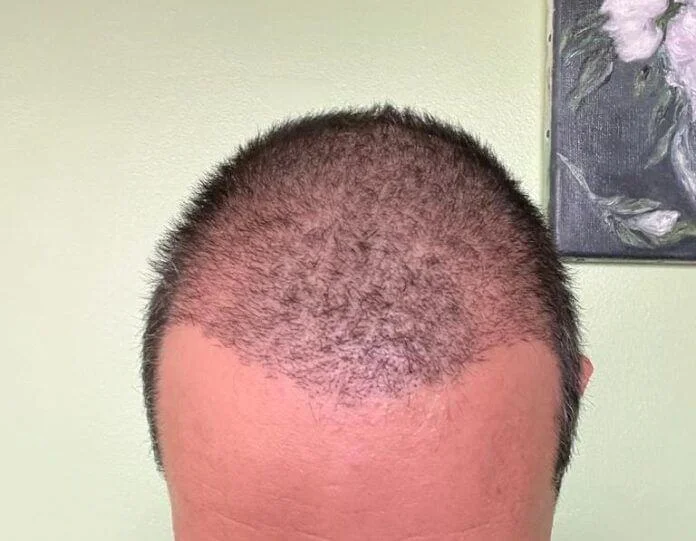
Understanding the Hair Transplant Recovery Process Embarking on a hair transplant journey is a significant step towards reclaiming your confidence. But what happens after the procedure? Understanding the hair transplant recovery process is crucial for achieving the best results. In this guide, we’ll walk you through the key stages of recovery, offer tips for optimal healing, and address common concerns. Immediate Post-Procedure Care: The First 24 Hours The first 24 hours after your hair transplant surgery are critical. During this time, your scalp may feel tender, and you might experience some swelling. It’s essential to follow your surgeon’s post-operative instructions meticulously. Avoid touching or scratching the transplant area to prevent infection and ensure the grafts settle properly. Managing Swelling and Discomfort After a Hair Transplant Swelling is a common part of the hair transplant recovery process, typically peaking around day three. To minimize discomfort: The First Week of Hair Transplant Recovery: Critical Healing Period During the first week, you’ll notice scabs forming around the transplanted hair follicles. This is a normal part of the healing process. Avoid picking at the scabs, as this can dislodge the grafts. Your surgeon may recommend gentle washing techniques to keep the area clean without disturbing the new follicles. Hair Transplant Recovery Timeline: Week-by-Week Guide Week 2-3: Shedding Phase After Hair Transplant Around the second or third week, you may experience what’s known as “shock loss.” This is when the transplanted hairs fall out, making way for new growth. While it might seem alarming, it’s a normal part of the process. The hair follicles remain intact and will soon start producing new hair. Month 1-3: Early Growth Phase of Hair Transplant Recovery In the first few months, new hair growth will begin. The hairs might appear thin and fine at first but will gradually thicken over time. It’s crucial to be patient and avoid comparing your progress with others, as hair growth varies from person to person. Month 4-6: Visible Improvements in Hair Transplant Recovery By the fourth month, you should see noticeable improvements. The new hair will start blending with your natural hair, and you’ll see a fuller appearance. Continue following your surgeon’s aftercare instructions to support healthy growth. Month 6-12: Achieving Full Results of Your Hair Transplant Between six months to a year, you’ll achieve the full results of your hair transplant. The new hair will have grown in, and any lingering redness or scarring will have faded. At this stage, you can enjoy a natural-looking, fuller head of hair. Tips for a Smooth Hair Transplant Recovery To ensure a smooth recovery and optimal results, consider these tips: Common Concerns and FAQs About Hair Transplant Recovery How Long Does Hair Transplant Recovery Take? Hair transplant recovery varies for each individual but typically takes about 12 months to see the final results. Most patients can return to work within a week. Is Hair Transplant Recovery Painful? Some discomfort and swelling are normal in the initial days following the procedure, but it can be managed with prescribed medications. Can I Wash My Hair After a Hair Transplant? Your surgeon will provide specific instructions on when and how to wash your hair. Generally, gentle washing can begin a few days after the procedure. Conclusion Understanding the hair transplant recovery process is vital for achieving the best results. By following your surgeon’s post-operative instructions and taking good care of your scalp, you’ll be on your way to enjoying a fuller, natural-looking head of hair. Patience and proper care are key to a successful recovery and achieving the hair transformation you desire.
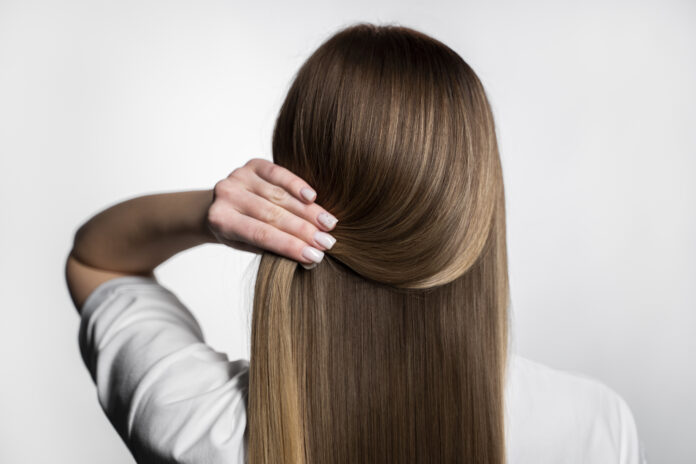
9 ways to make your hair grow faster
Trying to grow your hair out can feel like an endless waiting game – yes, you’ll need patience to grow a thick, strong mane, but there are plenty of other ways to encourage your hair to grow faster. On average, our hair grows around half an inch a month – that’s around 6 inches a year, but this can vary from person to person. On the flipside, according to the NHS, we lose between 50 – 100 hairs a day – often without noticing. If you’re trying to grow your hair or you’re looking to improve the condition of thin hair, here’s how to give your hair the best possible foundation for fast growth. 1. Trim your hair It sounds counterintuitive, but regular trims are exactly what your hair needs to encourage healthy growth. Having a haircut won’t make your hair grow faster, but it will get rid of split ends and breakage which can travel up the hair shaft, damaging your strands and minimising volume. Getting rid of frizzy, damaged ends will make your hair look like it’s healthier, neater and growing faster. 2. Eat protein-rich foods Good hair health starts from the inside – so build up your hair’s strength with protein-rich foods like eggs, oily fish, beans, nuts, whole grains and lean meats, like chicken. Protein is important because each strand of your hair is made of keratin, a tough protein that’s also used to create fingernails and skin. If you don’t consume enough protein, your body will divert its protein sources to more critical areas, and your hair may suffer. 3. Take a hair-boosting supplement Add a multivitamin to supercharge your added protein intake. You can either look for a vitamin that’s made especially for skin, hair and nails, or you can speak to your GP about the right mixture of vitamins and minerals you may need more of. The following vitamins are vital to healthy hair growth and avoiding hair loss: 4. Use a strengthening shampoo and conditioner How often you wash your hair – and what you wash it with – can play a huge part in hair growth. Use a strengthening shampoo and conditioner to reverse the look and feel of damaged hair – our Detox + Repair range protects delicate strands and restores weak, brittle hair fibres. Consider washing your hair less frequently, use a gentle massaging motion to stimulate your scalp and hair follicles and rinse your hair with lukewarm water to close your cuticles and avoid dehydrating your hair. 5. Use a weekly hair mask A pampering weekly hair mask can help detangle your strands, add in some much-needed hydration and reduce the appearance of damaged hair. Our Detox + Repair Masque is infused with Cannabis Sativa Seed Oil and Avocado, and cares for dry, brittle hair which needs some TLC. Pro tip – apply to damp hair and wrap in a warm towel for 5 minutes to let the treatment soak in and penetrate your hair. 6. Take care after washing Your hair’s at its most vulnerable when it’s wet, so take care when it’s damp and before styling. Wrap wet hair in a microfibre hair turban or blot dry gently with a soft towel – avoid rubbing or tugging it. Brush your hair gently, starting at the ends and moving up towards the roots – avoid dragging your brush through difficult knots. Spritz damp hair with our Daily Miracle Leave-In Conditioner to instantly detangle and protect brittle strands. 7. Always use heat protection If you use heat-styling tools, turn them down to their lowest setting and always use a heat protection spray to shield your hair from heat damage. When blow-drying your hair, stop when it’s 80% dry and wait for it to dry naturally before leaving the house. If you’re always using your curling wand, consider trying a heat-free way to get wavy hair. 8. Protect your hair from the elements Extreme heat and cold are both damage hair, so wear a hat during bright sunlight or cold weather, and tie your hair back on windy days to avoid your hair becoming frizzy and tangled. If you’re not too keen on hats or scarves, our Detox & Repair range can help put back what the day’s taken out. 9. Brush your hair at night Over-brushing can weaken hair, but giving your tresses a few strokes before bed can actually help smooth natural oils through your lengths to avoid dehydration and stimulate scalp circulation. It also helps prevent knots forming while you sleep. To give your hair the ultimate night-time treat, invest in a silk pillowcase or silk hair wrap, as silk’s kinder to your hair than cotton or polyester, and will help reduce breakage. Add a few light spritzes of our Detox & Repair Care & Protect Spray to soothe, smooth and nourish stressed hair.
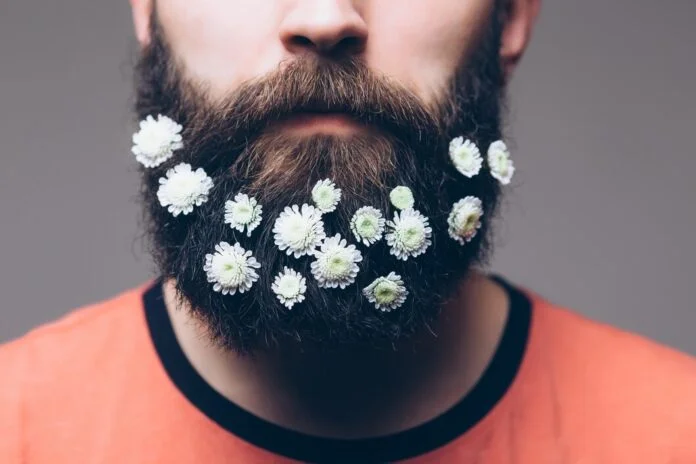
What to Know About Beard Transplant
For a lot of guys, growing a beard isn’t as simple as avoiding a razor and letting nature take its course. Stubble doesn’t always grow uniformly on the face, resulting in patchy facial hair instead of a stylish beard. Or, you may have inherited genes that make any type of beard growth practically impossible. But just as you can transplant your own hair to the top of your head to tackle a receding hairline, you can also try a beard implant if your facial hair follicles aren’t cooperating. A doctor will first need to evaluate your skin and hair to make sure you’re a good candidate, and then you’ll have to decide if it’s worth the expense. Like any medical procedure, there’s not a 100 percent guarantee you’ll be happy with the results. Beard transplant scars are always a risk. But if you can find a qualified provider, it may be worth at least investigating whether a few hours in a doctor’s office can provide a beard to last a lifetime. What is a beard implant? A beard transplant is just that: Hair is taken from one part of the body and transplanted to your jawline and wherever you want your beard to grow. That sounds simple enough, but it’s a rather involved process. There are two main approaches a surgeon can take: A follicular unit is a small grouping of several hair follicles that may emerge through the skin through the same exit point. Both procedures take anywhere from 2,000 to 5,000 hair follicle grafts or more from the back of the head, usually level with your ears, or a little lower, and implant them on the face. A graft is a hair follicle that’s transplanted. What’s the procedure like? Here’s an overview of the steps involved in the procedure: Harvesting Whether you’ve chosen to have a FUE or a FUT, your surgeon’s first step will be to shave the area on your head that’s being harvested. This gives them a clearer view of the hair follicles. Before the harvesting begins, you’ll be given a local anesthetic, so you won’t feel the harvesting or the implantation. Implantation Once the follicles have been harvested from your head, the surgeon will inject a local anesthetic into the area of your face where the implants will be placed. Then, the surgeon will implant each follicle into your facial skin, shaping your new beard the way you and the doctor agreed on prior to surgery. Recovery You’ll need a day to recover from the beard implant surgery. Tiny crusts may form around each newly implanted hair follicle, but these should flake off within a few days. After about a week to 10 days, you should be able to start shaving normally and trimming your new beard. A word of warning, however: Your new beard hairs may fall out after 2 or 3 weeks. This is normal, and new hair should grow in to take their place. Who’s a good candidate for this procedure? Because hair follicles are harvested from the back of your head, it’s important that you have healthy hair follicles in this area. This location tends to be among the last areas to go bald, so even if you’re starting to lose some hair on top, you probably still have healthy growth on the back of your head. Your transplant surgeon will examine your scalp and determine if there are enough follicular units to transplant. If there doesn’t appear to be enough hair follicles to harvest, your doctor may recommend alternative treatments. How do you know that a beard implant is successful? Regardless of the type of procedure performed, within 3 or 4 months, the transplanted hair follicles should be settled into place and growing. You’ll know the beard implant was successful if, at 8 or 9 months, you have a full, healthy beard that you can treat as though it had been there all along. While both FUE and FUT can produce natural-looking beards, FUT beards tend to be fuller. This is because more follicles are usually harvested when a strip of skin is removed. So if your goal is a thicker-looking beard, consider FUT. Beard transplant failure is rare and is usually the result of improper harvesting from the donor area. This is why it’s important and worth paying more to choose an experienced hair restoration surgeon. Are there any precautions or side effects to be aware of? After surgery, the harvested area on your head and the implanted area on your face will need special care. Both sites should be kept clean. Home care instructions Your doctor will give you home care instructions. These may include the use of antibiotic ointment for your scalp and face. Some activities to avoid for at least the first several days include: You may be advised to not wash your face for a few days or at least avoid scrubbing. Your skin will be sensitive and itchy, but to avoid irritation and infection, try to leave it alone. Potential side effects Your face and scalp may also experience the following side effects: Scarring in the donor area is common, but often your natural hair growth will cover it up. FUE leaves many small, often-unnoticeable scars. FUT, however, leaves a long singular scar on the back of the head. The implant areas on your face shouldn’t experience any scarring, but there will be some temporary scabs. If crustiness, redness, swelling, or irritation continues after a couple of weeks, be sure to tell your doctor.
Understanding Direct Hair Implantation (DHI): A Revolutionary Approach to Hair Transplant
Direct Hair Implantation (DHI) is at the forefront of hair restoration techniques, offering a minimally invasive solution for those battling hair loss. Unlike traditional hair transplant methods, DHI utilizes a precision tool to extract and implant hair follicles directly, ensuring a natural look and high viability rate of the transplanted hair. Key Benefits of the DHI Method How DHI Stands Out Ideal Candidates for DHI Individuals experiencing hair thinning or baldness who seek long-lasting solutions may find DHI to be the perfect fit. It’s suitable for both men and women looking to restore their hair density without compromising on aesthetics or health. Conclusion Direct Hair Implantation (DHI) is transforming the landscape of hair transplant technology. With its innovative approach, significant benefits, and promising outcomes, DHI stands as a leading choice for those aiming to conquer hair loss with confidence and grace. As with any medical procedure, consulting with a certified DHI specialist is crucial to determine your suitability and to tailor the treatment to your specific needs.

