
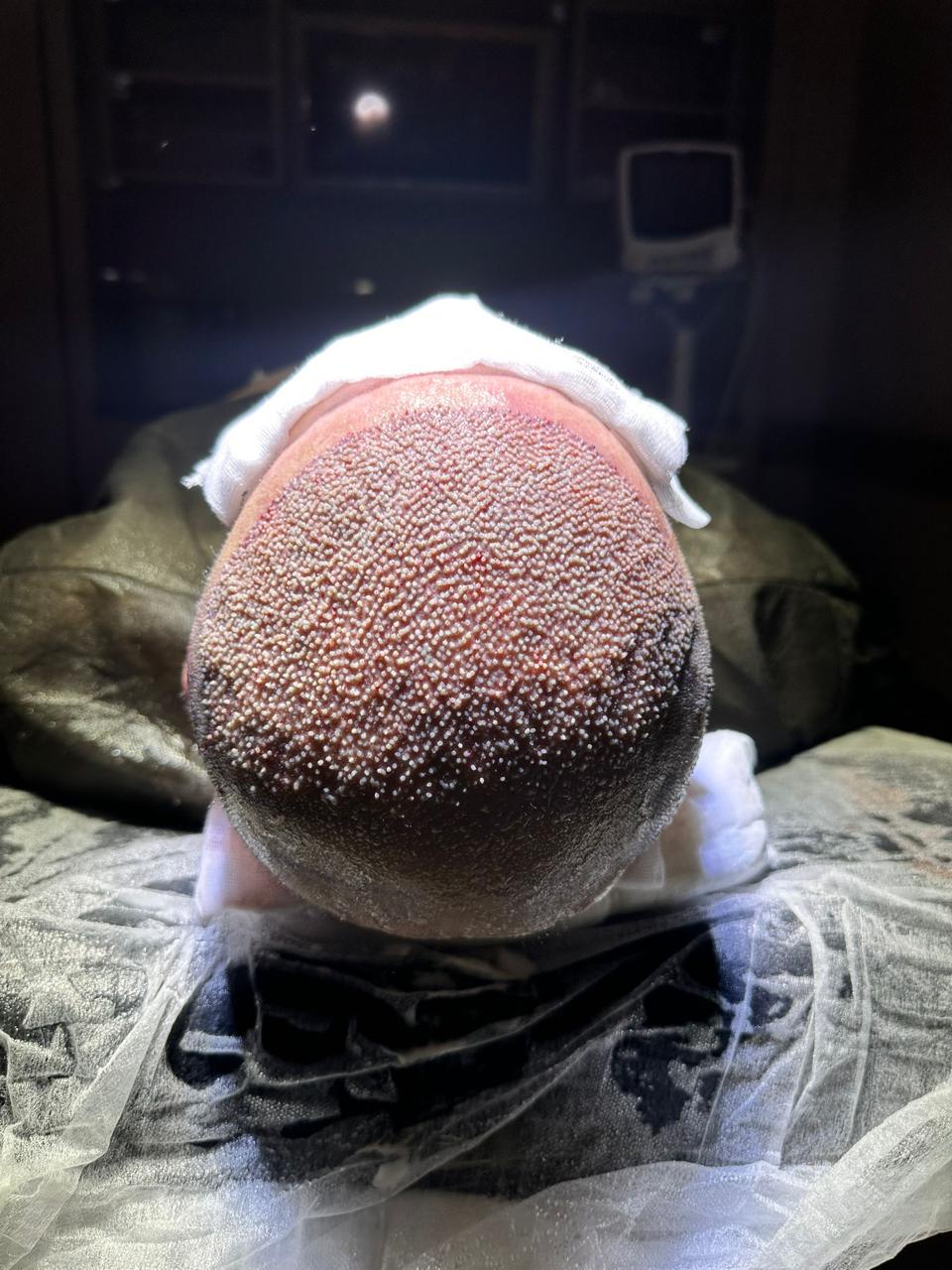
The Regenerative Revolution at Hera Hair Solutions Hair loss affects millions globally, impacting self-confidence and appearance. Traditional solutions like medications (minoxidil, finasteride) or surgical transplants provide results, but fibroblast stem cells hair transplant represents a next-generation regenerative approach. This therapy harnesses fibroblasts — the powerhouse cells of the dermis — to stimulate dormant hair follicles, promote natural regrowth, and enhance scalp health without relying solely on relocating existing hairs. At Hera Hair Solutions, a premier hair transplant clinic in Istanbul, Turkey, we blend advanced regenerative therapies with proven techniques such as Sapphire FUE, DHI Hair Transplant, and stem cells after hair transplant support. Our goal: deliver thicker, denser, and long-lasting natural hair using evidence-based methods tailored to your needs. Understanding Fibroblast Stem Cells and Their Role in Hair Restoration Fibroblasts are mesenchymal cells in the skin’s dermis that produce collagen, extracellular matrix, and crucial growth factors (e.g., FGF family proteins like FGF-7 and FGF-10). In hair science, specialized dermal papilla fibroblasts (dermal papilla cells or DPCs) sit at the base of each follicle and orchestrate the hair growth cycle by signaling to epithelial stem cells in the bulge region. Recent breakthroughs (2025-2026 research) show: Unlike classic transplants, fibroblast stem cells hair transplant focuses on biological reactivation — ideal for early androgenetic alopecia, female pattern thinning, or as an enhancer post-FUE/DHI. Therapies like Alloblast (fibroblast-derived cell-free factors) or autologous fibroblast injections align with this regenerative paradigm. Explore supporting research: PubMed on dermal papilla reprogramming and FGF in hair biology; Fibroblast bioelectric signaling drives hair growth (Cell, 2025). Visual Insight: Regenerative Hair Treatment Explained The Complete Procedure: Fibroblast Regeneration at Hera Hair Solutions Our process is minimally invasive, personalized, and often combined with surgical transplants for optimal synergy: Key Benefits of Fibroblast Stem Cells Hair Transplant Realistic Expectations, Risks & Considerations As of 2026, pure fibroblast/DPC therapies remain emerging — investigational in many regions, with strong evidence in regenerative combos (e.g., post-transplant). Results vary by age, genetics, loss extent, and lifestyle. Not a “miracle cure” for advanced baldness (may need hybrid approaches). Side effects are rare (mild swelling, temporary redness). We prioritize transparency and evidence-based care at Hera Hair Solutions. Comparison: Fibroblast Regeneration vs. Other Options at Hera Treatment Mechanism Best For Invasiveness Learn More Fibroblast/Stem Cells Regeneration Growth factors, reprogramming, bioelectric activation Early thinning, post-transplant boost Low Stem Cells After Transplant Sapphire FUE Precise graft extraction & implantation Moderate-advanced baldness, natural density Moderate Sapphire FUE DHI Direct Choi pen implantation High precision, no shaving Moderate DHI Hair Transplant Frequently Asked Questions About Fibroblast Stem Cells Hair Transplant Is it FDA-approved? Pure fibroblast therapies are investigational; we use compliant regenerative support in combos. How many sessions? Often 1-2 applications; combined with transplant for best results. Cost in Turkey? Competitive — contact for personalized quote including packages. Why Choose Hera Hair Solutions for Regenerative Hair Restoration in Turkey? Expert surgeons, state-of-the-art facilities, lifetime support, and medical tourism excellence in Istanbul. We deliver natural, permanent results with patient-first care. Ready to revitalize your hair? View real patient results and book your free consultation: Contact Hera Hair Solutions Today! Experience the future of hair restoration — naturally, safely, and affordably in Turkey.
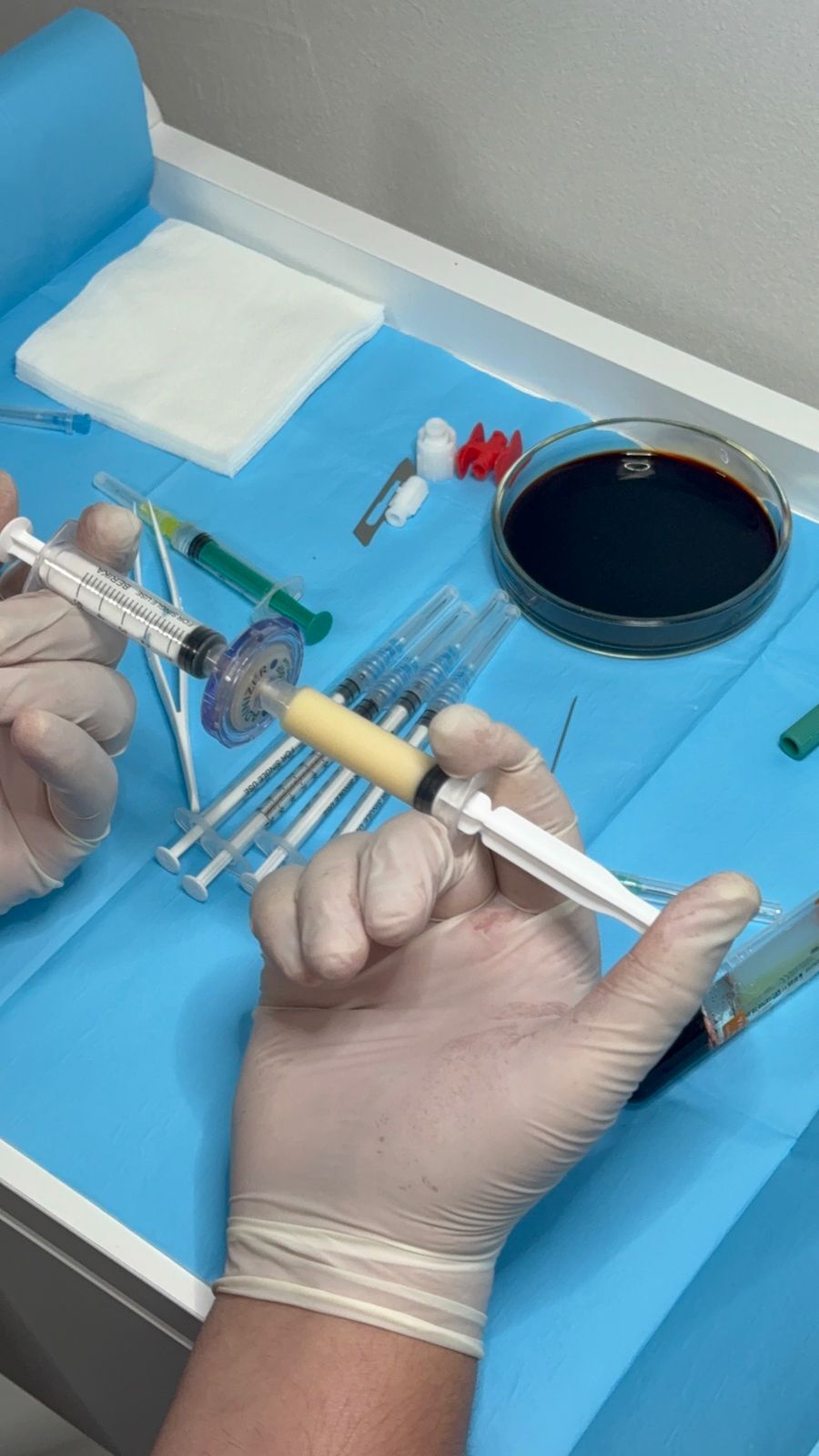
Stem Cells After Hair Transplant: Healing & Better Results
Stem Cells After Hair Transplant: Advanced Regenerative Support Stem cells after hair transplant boost healing, strengthen grafts, and improve hair growth quality. Unlike treatments used alone, this therapy supports newly implanted follicles during the critical recovery period. Why Clinics Apply Stem Cells After Hair Transplant Following a hair transplant, the scalp experiences controlled micro-trauma. Therefore, transplanted grafts need sufficient support to survive and grow. Stem cells accelerate tissue regeneration, reduce inflammation, improve blood circulation, and strengthen follicles. This therapy serves as a premium post-operative enhancement rather than an alternative to hair transplantation. What Are Stem Cells in Post-Transplant Hair Restoration? Stem cells possess regenerative abilities that repair tissue and activate natural healing processes. When applied after a hair transplant, they support graft anchoring, improve scalp recovery, and enhance follicle activity. Medical research shows that stem cells optimize recovery. For instance, a study on hair follicle regeneration using stem cells demonstrated significant improvements in healing and graft survival. How Stem Cell Therapy Works After Hair Transplant Step 1: Completing the Hair Transplant The hair transplant procedure, such as Manual FUE, is performed first. Surgeons place grafts precisely to minimize trauma and maximize survival. Learn more about Manual Hair Transplant Techniques Step 2: Stem Cell Preparation Next, stem cells are isolated from hair follicle tissue or other medically approved regenerative sources. Experts prepare the cells in a controlled and licensed environment to ensure safety and effectiveness. Step 3: Stem Cell Application After the transplant, stem cells are injected carefully into the recipient area and surrounding scalp. This process directly supports healing and strengthens transplanted follicles. Benefits of Stem Cells After Hair Transplant Improved Graft Survival Stem cells enhance oxygen and nutrient delivery. As a result, transplanted follicles adapt faster and survive more effectively. Faster Recovery Patients experience less redness, quicker scab shedding, and greater comfort during healing. Consequently, recovery is more comfortable and efficient. Stronger Hair Growth Stem cells stimulate follicle activity, producing thicker hair shafts and more consistent growth. Moreover, they improve overall hair density in treated areas. Optimized Final Results While stem cells cannot create new follicles, they maximize the performance of transplanted grafts. Therefore, patients achieve better long-term outcomes. Stem Cells and PRP After Hair Transplant Clinics often combine stem cells with PRP (Platelet-Rich Plasma) for enhanced healing. This combination boosts circulation and supplies growth factors for optimal follicle recovery. Treatment Role After Transplant Stem Cells Deep regeneration & graft protection PRP Growth factor stimulation & circulation support For more information, see the FDA overview on regenerative cell therapies. Licensing and Medical Standards in Turkey Stem cell therapy for hair restoration is strictly regulated in Turkey. Only a very limited number of clinics can perform this procedure legally. Our clinic is proud to be one of only three licensed clinics in Turkey authorized to provide stem cell therapy in combination with hair transplantation. Who Benefits Most from Stem Cells After Hair Transplant? Frequently Asked Questions Are stem cells applied before or after the hair transplant? Stem cells are applied after the hair transplant procedure. They support graft survival and enhance healing effectively. Do stem cells replace a hair transplant? No. They improve healing and graft performance but do not replace transplanted follicles. Are stem cells safe after hair transplant? Yes, when performed in a licensed and regulated medical clinic following proper protocols. Do stem cells affect final transplant results? Stem cells significantly improve hair quality, growth strength, and recovery speed, optimizing the final transplant outcomes. Final Thoughts: Stem Cells as a Post-Transplant Upgrade Stem cells after hair transplant are an advanced medical enhancement, not a shortcut. When applied in licensed clinics, they improve healing and maximize the results of your hair transplant. Choosing a clinic authorized to perform this therapy ensures safety and reliable results. Book a professional consultation
Best Price for Hair Transplant
Best Price for Hair Transplant in Turkey | Safe & Certified Clinics Best Price for Hair Transplant in Turkey If you’re searching for the best price for hair transplant in Turkey, you’re not alone. Turkey is the top destination for affordable transplants, but ultra-cheap options starting from €900 often hide dangerous risks. That’s why it’s critical to understand the real difference between price and quality. At HeraHair Solutions, we provide the best price for hair transplant in Turkey — without compromising safety, hygiene, or legal standards. ⚠️ The Dangers of Hair Transplants Starting from €900 Hair transplants that cost between €900 and €2000 are often performed in unlicensed clinics or even barbershops posing as medical facilities. These places are: ❌ Unsafe and hidden from medical inspection ❌ Operated by non-certified staff ❌ Prone to infections and medical complications ❌ Delivering poor, irreversible results Such facilities are not authorized by the Turkish Health Ministry. Their goal is profit — not your health. These “clinics” skip sterilization, use cheap tools, and lack proper hygiene protocols. 💰 Why Overpriced Hair Transplants Over €5000 Can Also Be Dangerous It’s a mistake to think expensive equals safe. Clinics charging over €5000 often do so because they’re: ⚠️ Paying bribes to stay open despite illegal practices ⚠️ Spending on influencers and fake reviews ⚠️ Using appearance to mask unethical procedures Even overpriced clinics may skip important legal requirements — putting your health at risk, despite the high cost. ✅ What Is a Fair, Safe, and Legal Price for Hair Transplant? The best price for hair transplant in Turkey is usually between €2500 and €3500. This reflects: ✔️ Certified and licensed surgeons ✔️ Government-inspected medical facilities ✔️ Advanced, sterile equipment ✔️ Follow-up care and guaranteed results 🏥 Why Choose HeraHair Solutions? We offer the best price for hair transplant in Turkey — not the cheapest, not the most expensive — but the most responsible. ✅ Fully licensed and legal clinic ✅ Certified hair transplant specialists ✅ Award-winning hygiene standards ✅ Transparent tax, legal, and medical compliance ✅ National recognition for service quality 🧾 Why Are Cheap Clinics So Cheap? Clinics offering €900–€1500 hair transplants usually cut corners by: Hiring non-medical, untrained staff Skipping sterilization Using outdated tools Operating without licenses or insurance The result? High risks, botched surgeries, and irreversible hair damage. 🚫 Why Overpriced Clinics Are Not Always Better Overpriced clinics charging more than €5000 often: Operate illegally but mask it with luxury Spend big on marketing, not on hygiene Push fake reviews instead of results Opening a real, legal hair clinic in Turkey is expensive and involves strict procedures. Some clinics bypass this by bribing officials and inflating their prices to cover illegal operations. 💼 Our Fair Pricing & Legal Compliance At HeraHair Solutions, we: ✔️ Follow every legal requirement ✔️ Pay all taxes and government dues ✔️ Employ only licensed doctors and nurses ✔️ Operate with full transparency Our pricing is fair — not too cheap to be unsafe, and not inflated to appear luxurious. It’s the right price for the right care. ✂️ Our Hair Transplant Techniques 🔹 FUE Hair Transplant (Sapphire FUE) FUE (Follicular Unit Extraction) is a minimally invasive technique. We use the Sapphire FUE method, which offers: Natural-looking density Fast healing time Minimal scarring Learn more about Sapphire FUE here. 🔹 DHI Hair Transplant DHI (Direct Hair Implantation) is ideal for detailed, high-precision work. Perfect for hairlines and smaller areas, DHI offers: No shaving needed Maximum control of direction and angle Faster recovery Explore our DHI technique here. ▶️ Watch: FUE vs. DHI Explained in 60 Seconds Watch our short YouTube video comparing both methods. 🔗 Explore More Procedures Manual Hair Transplant Female Hair Transplant Eyebrow Transplant Beard Transplant Meet Our Team 📞 Book a Consultation Today Looking for the best price for hair transplant in Turkey without taking health risks? Contact HeraHair Solutions today. Click here to book your free consultation →
Best Hair Treatments After Transplant
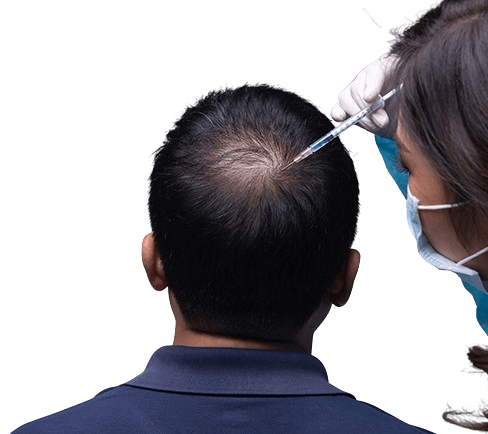
Best Hair Growth Treatments After Transplant: Expert-Approved Medications and Tips Best Hair Growth Treatments After Transplant: Medications That Work After hair transplant surgery, many patients wonder about the best hair growth treatments after transplant to help stimulate faster and healthier regrowth. While the surgery is crucial, post-operative medications and care also play a vital role in the success of your new hair. In this article, we discuss the most effective treatments to maximize your transplant results and maintain healthy hair growth over time. Why Medications Matter: Best Hair Growth Treatments After Transplant Using the right treatments after your procedure can improve graft survival and reduce shedding. Selecting effective therapies to boost hair growth post-transplant will support your scalp’s healing and encourage strong follicle activity. Let’s explore the top medications recommended by hair restoration specialists. 1. Minoxidil: A Leading Treatment for Post-Transplant Hair Growth Minoxidil is a topical solution that enhances blood circulation to hair follicles, which helps awaken dormant follicles and promote regrowth. Benefits: Speeds new hair growth Reduces early shedding Widely clinically proven 🧠 Start Minoxidil approximately 2–3 weeks after surgery to avoid irritation. Read more about Minoxidil usage after transplant. 👉 For detailed tips, see our Hair Transplant Aftercare Guide. 2. Finasteride: Oral Medication to Preserve and Boost Hair Finasteride lowers DHT levels, the hormone responsible for most male pattern baldness, protecting your native hair and transplanted follicles. Benefits: Slows future hair loss Improves long-term hair density 📚 Learn more from the Mayo Clinic’s official guide. 👉 Also check our Natural Hair Loss Prevention Tips. 3. Biotin and Multivitamins: Essential Nutrients for Healthy Hair Supplements like Biotin and vitamins D, Zinc, and Iron help strengthen hair and promote regrowth post-transplant. For personalized supplement advice, visit our Hair Transplant Diet Guide. 4. Natural DHT Blockers: Herbal Support After Hair Transplant Herbal DHT blockers such as Saw Palmetto and Green Tea Extract can complement other treatments to maintain healthy hair growth. Learn more in our Genetic Hair Loss Explained post. 5. Anti-Inflammatories: Reducing Scalp Swelling After Surgery Doctors may recommend mild steroids or NSAIDs like Ibuprofen to manage inflammation, creating a healthy environment for hair follicles. For more on recovery, see the Hair Transplant Recovery Timeline. 6. PRP Therapy: Advanced Treatment to Boost Hair Growth Platelet-Rich Plasma (PRP) uses your blood’s growth factors to stimulate follicles and improve graft survival, enhancing the results of your transplant. Discover the science behind PRP in our What Is PRP for Hair Loss? article. What to Avoid to Protect Your Hair Growth After Transplant ❌ Skipping prescribed medications ❌ Using harsh products too soon ❌ Applying unverified treatments 👉 See our Top Mistakes to Avoid After Hair Transplant. Conclusion: Effective Hair Growth Treatments After Transplant The best hair growth treatments after transplant combine medications like Minoxidil and Finasteride with vitamins and advanced therapies such as PRP. Following expert advice can help you achieve natural, long-lasting hair growth. Check our Before & After Gallery to see real results. Get Personalized Advice at Hera Hair Solutions Our team is dedicated to guiding you through your hair restoration journey, including recommending the best hair growth treatments after transplant tailored to your needs. Contact us today for a free consultation.
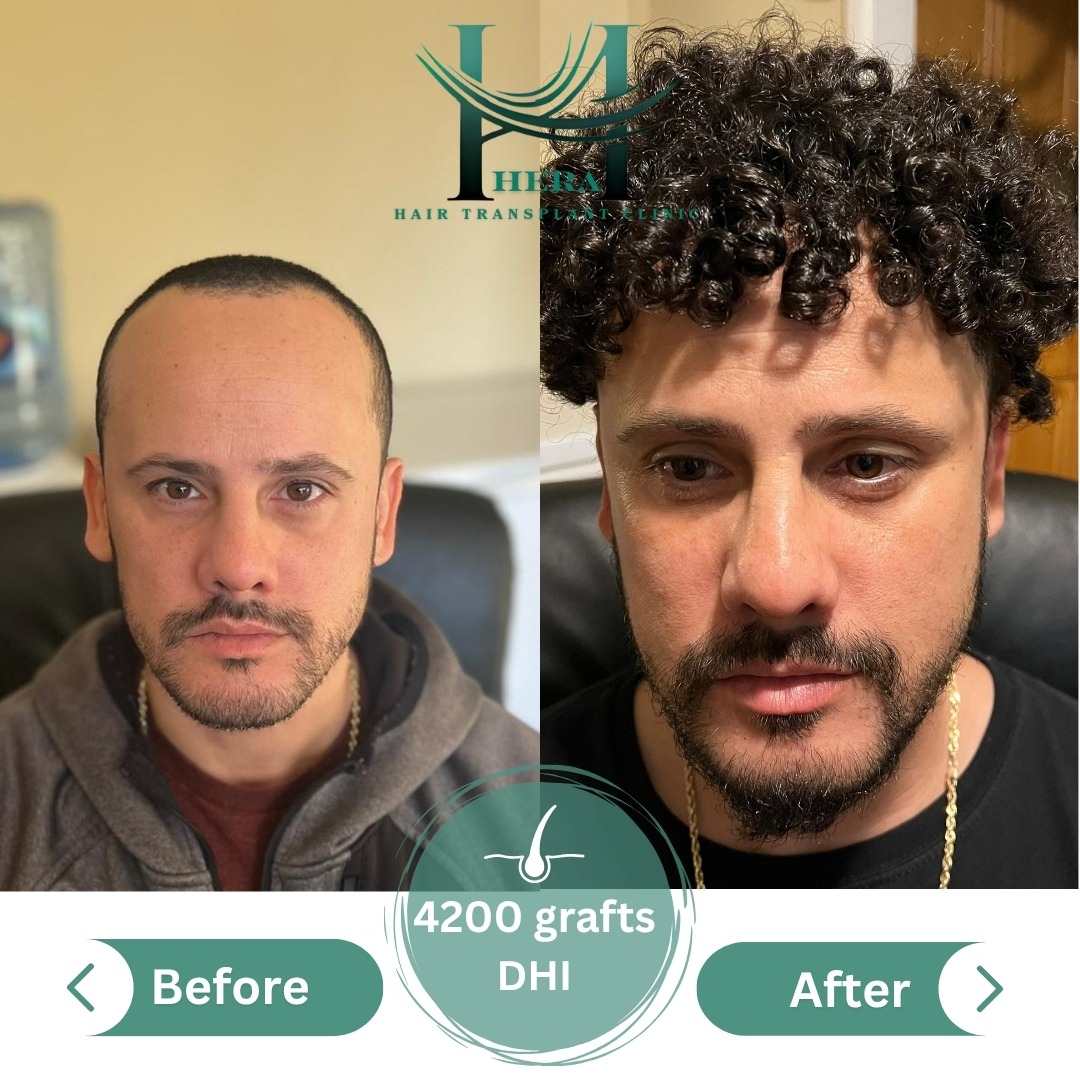
Before and After Hair Transplant Results
Before and After Hair Transplant: Real Photos & Honest Results A hair transplant can be life-changing — but what do the real results actually look like? In this guide, we’ll show you genuine before and after hair transplant photos, break down what to expect during recovery, and give you honest insights from real patients. If you’re considering restoring your hairline, this article will help you visualize the journey — and decide if it’s right for you. 👉 See Full Before and After Gallery Here What Does a Hair Transplant Look Like Before and After? One of the most common questions we hear is: “Will a hair transplant actually work for me?” The short answer: Yes — if it’s done right. But don’t just take our word for it. Let’s look at real-world results from patients who chose professional clinics and modern methods like FUE (Follicular Unit Extraction) or DHI (Direct Hair Implantation). Real Before and After Hair Transplant Photos The transformation is often dramatic. Patients go from visibly thinning hair or bald patches to full, natural-looking density. Common Improvements You’ll See: Restored frontal hairline and temples Thicker crown coverage More youthful appearance Increased self-confidence 👉 Click here to explore real patient transformations When Will You See Results After a Hair Transplant? Time After Surgery What to Expect 1–2 weeks Initial healing, slight redness, scabbing 1 month Some shedding (normal), follicles go dormant temporarily 3–4 months New hair starts to grow gradually 6–9 months Major visible improvement 12+ months Final, permanent results 📌 Pro Tip: The process takes time, but the results are worth the wait. Honest Patient Experiences: What They Say At Hera Hair Solutions, our clients often report: “I finally feel confident in photos again.” “People say I look 10 years younger.” “No one even noticed I had a transplant — it looks natural.” 🗣️ These testimonials are backed by real results you can view here: https://www.instagram.com/herahairsolutions/ Is a Hair Transplant Right for You? You’re a good candidate if: You have stable hair loss (not rapidly progressing) You have enough donor hair on the back or sides You’re looking for a permanent solution You’re ready to follow aftercare instructions Still unsure? A consultation can help determine the best method and expected outcome. Why Choose Hera Hair Solutions? We specialize in: ✅ Advanced FUE & DHI techniques ✅ Affordable pricing without compromising quality ✅ Proven before-and-after results ✅ Personalized care in a world-class Istanbul clinic 📸 Want to see how we’ve helped others? 👉 Explore our full photo gallery here Final Thoughts: Transform Your Hair, Transform Your Life Hair transplant isn’t just about looks — it’s about regaining your confidence and feeling like yourself again. If you’re curious about what your transformation might look like, don’t guess — see the results for yourself: 🔗 Before & After Photo Gallery – Hera Hair Solutions
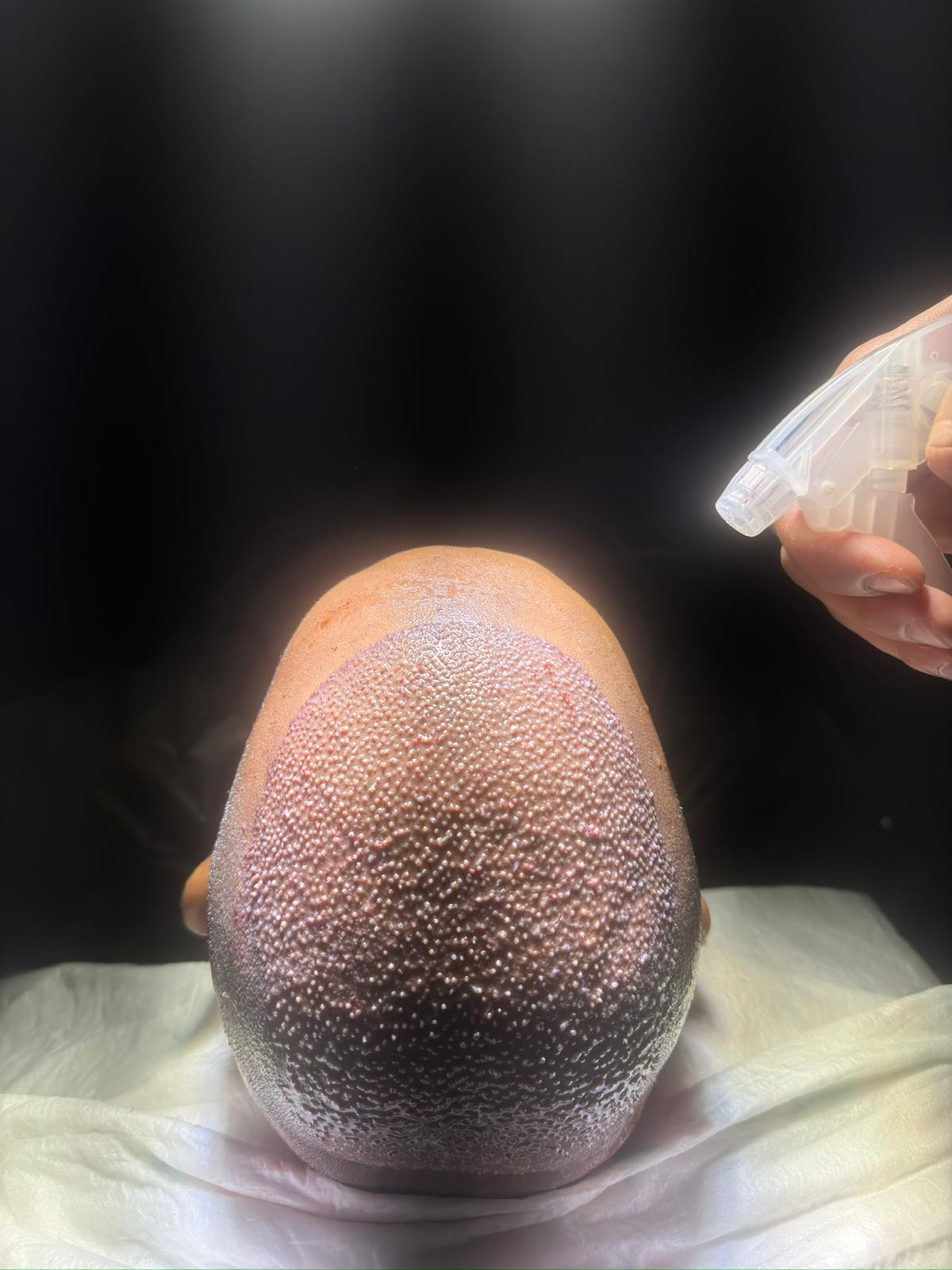
Hair Transplant Aftercare
Hair Transplant Aftercare: Recovery Tips & Washing Guide Hair Transplant Aftercare: Recovery Tips & Washing Guide Proper hair transplant aftercare is crucial for achieving long-lasting and natural-looking results. After your procedure at Hera Hair Solutions, it’s important to follow a recovery plan. In this guide, you’ll learn how to wash your hair, what to avoid, and how to support healing during the first weeks after surgery. Watch: How to Wash Hair After Hair Transplant Learn the proper washing technique after a hair transplant by watching this short instructional video: Why Hair Transplant Aftercare Is Important The first 10–14 days after your procedure are critical for graft survival. By practicing proper post-transplant care, you reduce risks like infection, scarring, and shock loss. Key Benefits of Proper Aftercare: ✔ Improved graft survival ✔ Faster healing with less irritation ✔ Better long-term hair appearance Hair Washing Instructions: Day-by-Day Guide Washing is a major part of post-transplant scalp care. Here’s a timeline: Day 0–2: No washing. Use prescribed saline spray to keep grafts hydrated. Day 3–7: Start applying a gentle moisturizer like panthenol 30 minutes before rinsing. Use lukewarm water and pat shampoo with fingertips. No rubbing! Day 8–14: Scabs begin to fall off. Light circular movements may be used to clean the scalp. After Day 14: Resume normal shampoo routine using mild, sulfate-free products. Hair Transplant Recovery Timeline Every patient heals differently, but here’s a general outline: Week 1: Redness and swelling fade. Washing begins. Week 2: Scabs fall off. Grafts become stable. Week 3–4: Shock loss phase. Temporary shedding is normal. Month 2–4: New hairs begin to grow. Month 6–12: Visible improvement and final results appear. What to Avoid After Hair Transplant Surgery 🚫 Avoid smoking and alcohol for at least 7 days 🚫 No intense exercise or sweating for 10–14 days 🚫 Don’t scratch or touch the recipient area 🚫 Avoid direct sunlight and heat on scalp 🚫 No hats or pressure during the first week Scalp Care Tips for Long-Term Success Months after surgery, maintaining your scalp is key to healthy growth: 🧴 Use pH-balanced shampoos 💧 Stay hydrated and eat a protein-rich diet 🧢 Protect scalp from sun exposure 🗓️ Schedule follow-ups with your clinic Recommended Products for Aftercare Using the right products helps avoid irritation and keeps your scalp clean: ✔ Sulfate-free shampoo ✔ Panthenol moisturizer ✔ Vitamin supplements (Biotin, Zinc) Hair Transplant Aftercare FAQs How soon can I return to work? Most return within 3–5 days, depending on swelling or redness. When will new hair start growing? New hair typically grows between 2–4 months, full results by 12 months. Can I wear a hat after my hair transplant? No hats for at least 7–10 days to protect grafts. Explore More Resources Before & After Photos Manual Hair Transplant Info DHI Hair Transplant Details External Resource See the NIH article on Hair Transplant Aftercare. Need Personalized Help? Contact our team for a customized hair transplant aftercare plan: Contact Hera Hair Solutions
Is Hair Transplant Painful? Honest Answer from Experts
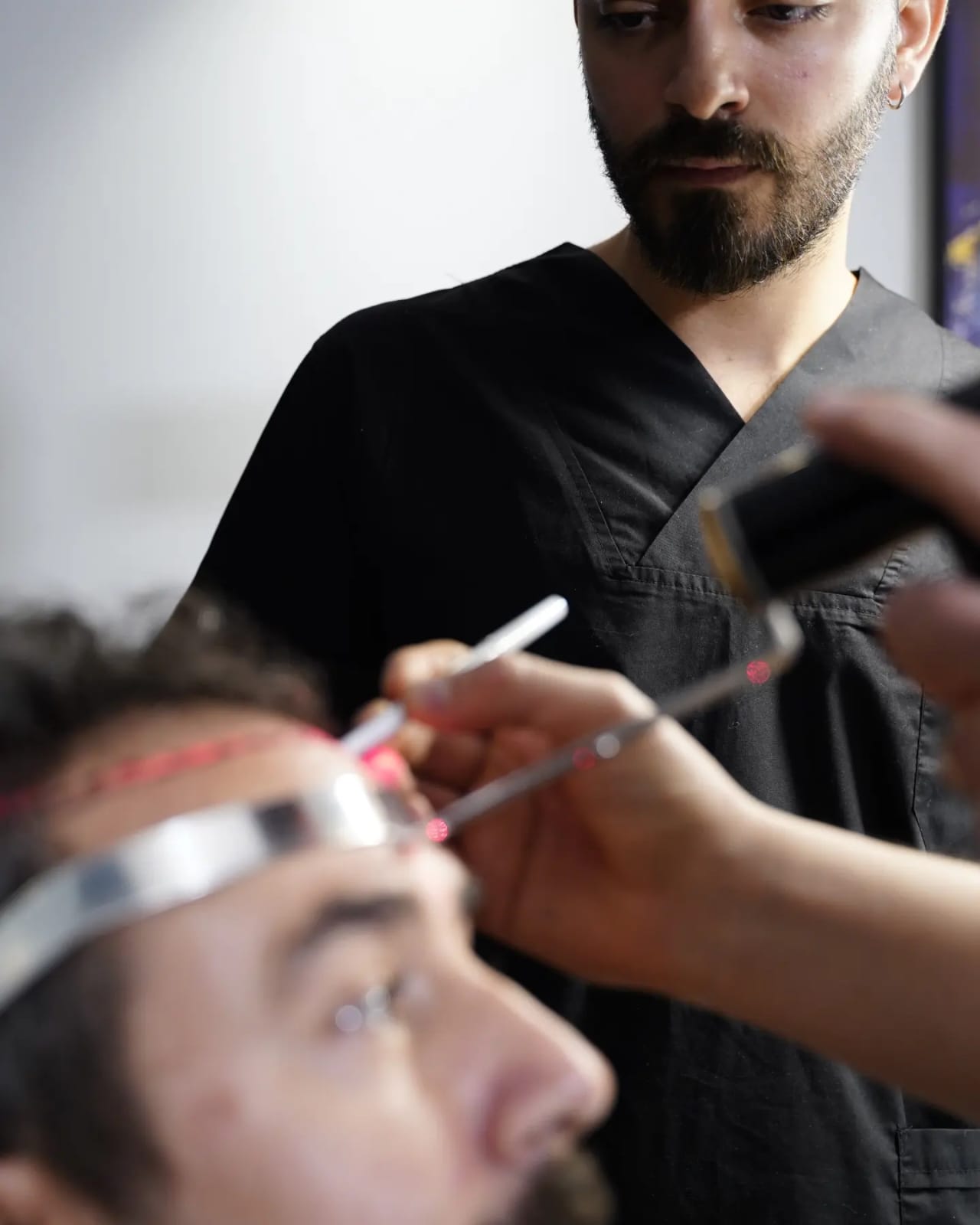
One of the top questions people ask before undergoing a hair transplant is: “Will it hurt?” The short answer is no — but let’s look deeper, based on expert opinions and real patient experiences. What You’ll Learn: How painful is a hair transplant? FUE vs DHI vs FUT pain levels What real patients say How to reduce discomfort after surgery Is Hair Transplant Painful During the Procedure? Hair transplants such as FUE (Follicular Unit Extraction) and DHI (Direct Hair Implantation) are performed under local anesthesia. This numbs your scalp, so you won’t feel pain during the procedure. What You Might Feel: Mild sting during anesthesia injection Sensation of pressure or vibration during extraction Most patients describe it as “awkward but not painful.” Is There Pain After Hair Transplant? After anesthesia wears off, you might experience: Mild soreness or tightness in the scalp Slight swelling (usually gone in 2–3 days) Scabbing or itching during healing Symptoms are temporary and manageable with pain relievers and proper care. Pain usually subsides within 1–3 days. 👉 Read: Hair Transplant Recovery Tips – Healthline Pain Comparison: FUE vs DHI vs FUT Method Pain Level Notes FUE Low Minimally invasive, no stitches DHI Very Low Precise, quicker healing FUT Moderate Requires stitches, longer recovery What Real Patients Say “The only thing I felt was the anesthesia injection. After that, I was watching Netflix during the surgery.” “It felt like a mild sunburn for a couple of days. That’s it.” “Swelling was gone in two days. I was back to work by day five.” Tips to Minimize Discomfort After Hair Transplant Follow your clinic’s aftercare instructions strictly Don’t touch or scratch the scalp Sleep with your head elevated to reduce swelling Avoid strenuous activity for 5–7 days Take all prescribed medications as directed Final Thoughts: Should You Be Worried About Pain? Hair transplants are not painful. Most patients report mild discomfort, not pain. With modern technology and professional care, the experience is smooth and highly tolerable. If you’re worried, speak to your surgeon about pain management options tailored to your sensitivity or medical history. Recommended Reading American Academy of Dermatology: Hair Transplants PubMed – Hair Transplant Studies & Research

How long will hair transplants last?
Hair loss is a common problem for men and women. It can affect self-esteem, confidence, and overall appearance. Many people explore various solutions to address this issue, and hair transplants have emerged as one of the most effective options. However, a common question arises: how long do hair transplants actually last? To answer this, we need to understand the procedure, its benefits, and the factors that influence its longevity. What is Hair transplant? Hair transplants are advanced medical procedures. They involve moving healthy hair follicles from one part of the scalp to areas with thinning or no hair. These donor areas, usually located at the back or sides of the head, are resistant to hair loss. This makes the transplanted hair more likely to grow for a lifetime. The two most common techniques are Follicular Unit Extraction (FUE) and Follicular Unit Transplantation (FUT). Both the techniques are effective, and their results are always natural and long-lasting if conducted by an experienced surgeon. How long will the outcome last? A hair transplant outcome is permanent in nature. The reason is that the transplanted follicles are genetically distinct from the one that falls due to male or female pattern baldness. These follicles do not respond to the hormone most responsible for causing hair loss. The hair starts growing naturally as soon as the follicles are transplanted and integrates easily with the remaining hair. No wonder hair transplantation has become such a reliable means of hair restoration for people wanting a permanent cure for hair loss. However, while the transplanted hair is permanent, it is important to note that the procedure does not prevent further hair loss in other areas of the scalp. Over time, hair surrounding the transplant area may thin or fall out. This means that although the transplanted hair will remain intact, the overall appearance may change. This is why some people opt for additional treatments, such as medications or follow-up transplants, to maintain their desired look. What decides the outcome nature? Age, genetics, and lifestyle influence the survival time of the graft. For example, progressive balding will make a person more likely to get additional treatment during their lifetime. Stress, smoking, and an unhealthy diet will also negatively impact your transplanted hair, as well as your native hair. Proper health and care routine will increase the survival time after the transplant surgery. At Hera Hair Solutions, results that last are of utmost importance. Our dedicated team of hair restoration experts and technicians specializes in providing personalized treatments to each unique client. Having cutting-edge technology and proven techniques, we have the guarantee that the outcome for our clients would be natural-looking and seamless but stands the test of time. A good clinic for hair transplantation can actually make a huge difference, as the professional competency and experience of the medical team directly impact the success and durability of your results. One of the most comforting elements of this hair transplant is that it grows completely like your own hair. It’s absolutely permissible to wash, cut, and even style it without special restrictions. The transplanted hair will enter the same cycle of falling out and regrowth as the donor area. Most people notice some volume within six months and achieve a full result at 12 to 18 months. As much time as it takes, the long-term benefits of this process make it worthwhile. Many patients report improved confidence and significant quality-of-life increases. The thought that your hair looks natural and will last for many years brings with it a feeling of peace. For those worried about ongoing hair thinning, we recommend you combine your hair transplant with other treatments, like PRP therapy or topical medications, to help maximize the overall density and ensure your appearance throughout time. Final Thought At Hera Hair Solutions, we not only provide the procedure but try to guide a patient from the time of consultation up to the aftercare stage. This is what makes us the best hair transplant in Istanbul. We try to help achieve results that don't just look good but feel right. It is all about making you more confident and satisfied with the transformation process. This is the right moment to consider going for a hair transplant if that is something on your mind. Regain that confidence with restored hair by giving it over to professionals who will care for you and your result. Find us at herahairsolutions.com/V2/ to read success stories and why we make that difference in the lives of the people. This path to having healthier, fuller heads of hair can start with only one step-make that call now.
What Are the Causes of Eyebrow Hair Loss?
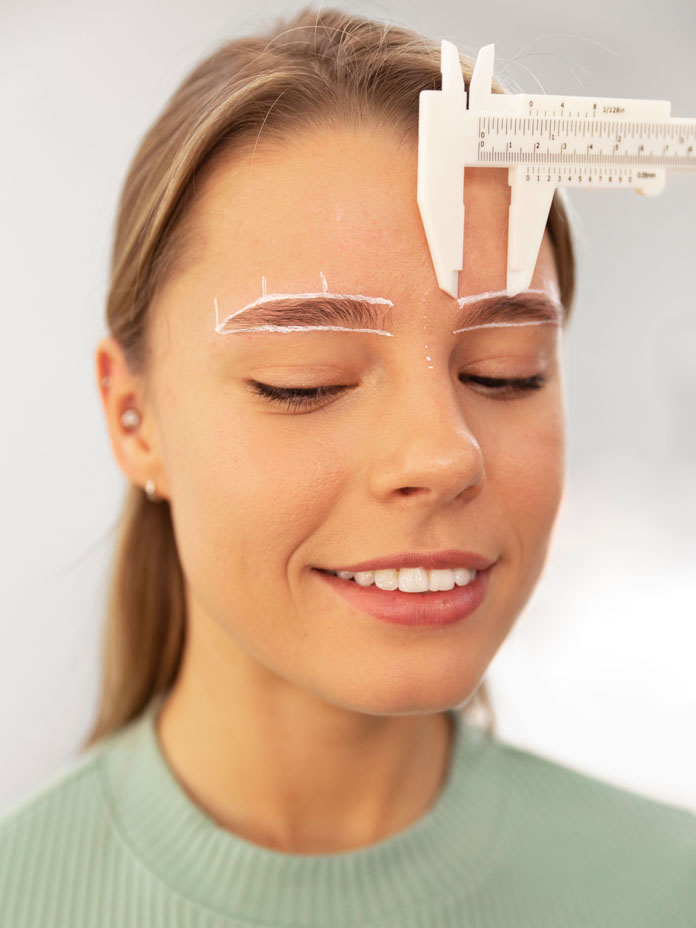
Eyebrows are quite significant in defining facial expressions. It beautifies and balances facial appearance. However, for some, losing eyebrow hair or thinning could be a stressful thing to happen. Superciliary madarosis or the loss of eyebrow hair may be caused by some factors. Let’s go over the common causes and how you can address it. Aging Aging is a natural process. As we age, hair follicles weaken. This can cause thinning hair, including eyebrows. The decrease in collagen and elastin affects hair growth, causing eyebrows to become sparse over time. Nutritional Deficiencies Nutrients are vital for healthy hair growth. A deficiency in vitamins such as B7 (biotin), D, or minerals like iron may cause hair loss. Eyebrows are not an exception. Poor nutrition starves hair follicles, reducing their strength and growth rate. Hormonal Imbalance Hormones control many body processes, and hair growth is no exception. Hair cycle can be influenced by disorders like hypothyroidism or hyperthyroidism. During menopause, estrogen levels fluctuate, which can cause thinning of the eyebrows in women. Alopecia Areata Alopecia areata is an autoimmune disease. The immune system attacks hair follicles mistakenly. This causes hair loss, including the eyebrows. It usually comes as patchy bald patches. In extreme cases, it can cause complete loss of hair, which is called alopecia universalis. Skin Diseases Skin health directly affects eyebrow growth. Inflammation from conditions like eczema, psoriasis, or seborrheic dermatitis can damage hair follicles, causing hair loss. Itching or scaling will make the condition worse over time. Stress Stress affects the body. High levels of stress can cause a condition called telogen effluvium. Here, hair follicles enter the resting phase prematurely. Due to this, you might experience shedding, even on your eyebrows. Over-Plucking Eyebrow plucking is common. However, excessive plucking can prove harmful. Prolonged over-plucking of eyebrows weakens hair follicles. Eventually, it may result in permanent damage and no growth. Medical Treatments Certain treatments or drugs can lead to hair loss. For instance, chemotherapy. Chemotherapy is known to kill fast-growing cells, and this includes hair follicles. Other drugs include anticoagulants and anti-epileptic drugs. Genetics In some cases, a person may inherit the characteristic of having sparse or thinning eyebrows. If your close relatives have sparse or thinning eyebrows, then you may be bound to get the same. The density and growth pattern of your eyebrow hair are also determined by genetics. Infections Fungal or bacterial infections can affect eyebrow health. Conditions like ringworm or folliculitis inflame the hair follicles. This leads to itching, redness, and eventual hair loss. Chemicals and Allergic Reactions Cosmetic products, such as eyebrow pencils or dyes, may contain harsh chemicals. Prolonged use can cause irritation or allergic reactions. This damages the delicate eyebrow area, leading to hair loss. Underlying Medical Conditions Certain diseases indirectly affect eyebrow growth. Diabetes, lupus, or anemia can affect the entire body and hair growth in general. If you have an underlying condition, seek medical attention. Can Lost Eyebrow Hair be Regrown? In most cases, eyebrow hair loss can be treated. Identifying the root cause is essential. For nutritional deficiencies, supplements can help. Hormonal imbalances may require medication or therapy. For conditions like alopecia areata, steroid injections or other treatments may be effective. Lifestyle changes also come into play. A healthy diet, reduced stress, and avoidance of harsh chemicals can all contribute to the health of the eyebrows. Proper care, combined with the right approach, will make a difference. Seeking Professional Help Professional help can truly be a lifesaver if one experiences loss of eyebrow hair. Understanding that loss of hair makes anyone less confident, we offer our solutions at Hera Hair Solutions to restore and create beautiful brows. This could range from non-invasive treatments to cosmetic alterations to create an idealized beauty that everyone desires to get hold of. Regain your confidence and redefine your look with Hera Hair Solutions, the best place for eyebrow transplant in Turkey . Explore our services and schedule a consultation by visiting herahairsolutions.com/V2/. Your journey to fuller, beautiful brows starts here.
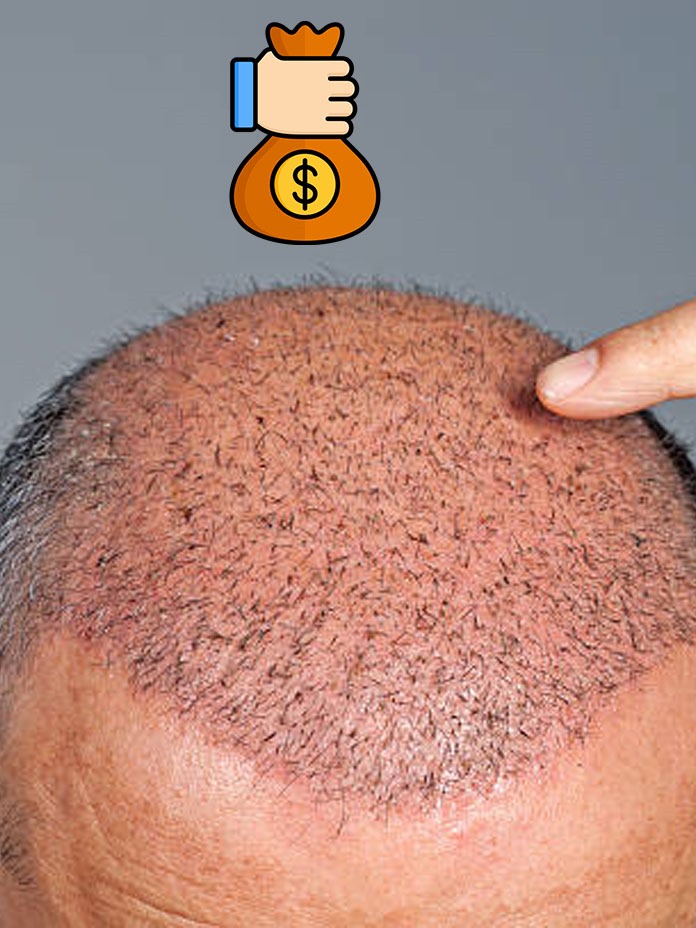
How Much Does a Hair Transplant Cost?
Hair transplant solutions are among the effective restorative solutions of hair loss. They are gaining much popularity and deliver natural results to many. Still, how much does a hair transplant cost? If you consider cost factors and procedures in their entirety, you’ll surely be making an informed choice about such a life-altering process. So, let’s take it apart and know in greater detail. Factors Determining the Cost of Hair Transplantation Type of procedure The cost of different techniques varies. Advanced techniques such as Sapphire FUE or DHI Hair Transplants are usually more expensive than the older techniques. The price is determined by the precision, tools, and expertise needed. For example, Sapphire FUE uses advanced tools that enhance precision and minimize scarring, while DHI provides a more natural hairline. Degree of Hair Loss The cost of treatment was proportional to the size of the area to be treated. This is because the extent of baldness which requires the grafts also increases as the hair loss progresses. Hence, for minor thinning, a small number of grafts are needed, and therefore the cost of the operation is lower in comparison with extensive baldness. Clinic Expertise There is always a variation of the price depending on the reputation and experience of the clinic. Some clinics with experienced doctors and equipment may be expensive but the clinics always have fewer complications or touch-up operations. Geographical Location It depends on the place where it is being done. In larger provinces or states, or in a province where the demand for physicians is high, clinics tend to set a higher rate. On the other hand, clinics that operate in less populated areas or areas of low competition could set their rate lower and still provide quality service. Other Services Some of the clinics may offer post-operative care, consultation and drugs in the package offered to the patients. Some of them offer these services on an extra cost basis. Such expenses are usually extra charges and therefore you need to know what is charged at the mentioned price. Average Cost Range The cost of hair transplant varies across the world. For example, in UK, it ranges between £3,000 and £7,000. In the States, the cost varies between $4,000 and $15,000 depending on the type of the procedure and clinic. Follicular Unit Extraction (FUE): This is one of the most common techniques, which costs between $2,000 and $5,000 globally. It is less invasive and provides very natural appearance of hair transplants. DHI (Direct Hair Implantation): A more accurate technique, DHI may cost from $3000 to $6000. It is used for fine and detailed results. Robotic Hair Transplants: These are based on high technology and are normally expensive, costing between $8000 and $15000. Cost vs. Quality Choosing a cheaper clinic might seem appealing, especially if you’re on a tight budget. However, cost should not compromise quality. A poorly done procedure may require corrections, leading to additional expenses and extended recovery periods. Always prioritize clinics with proven expertise, transparent pricing, and positive client reviews. High-quality care often translates to long-lasting, satisfactory results. Hera Hair Solutions: Affordable Excellence When looking at a hair transplant, Hera Hair Solutions is one that can be trusted. It has been in business for many years and has qualified professionals working with it, which provides the best quality care based on the requirements of each client. It offers affordable prices without a compromise on quality. Below is the detailed information on services they offer: Procedure Starting Price Range Sapphire FUE $1,500 – $2,000 DHI Hair Transplant $1,800 – $2,500 Manual Hair Transplant $1,200 – $1,500 Female Hair Transplant $1,200 – $1,800 Hera Hair Solutions unites innovation and individual care. Here, they wish to serve the client through custom-planned hair restorations for him to regain self-confidence. You might have small touch-up needs, or you want to seek a complete restoration procedure, the best is given to clients. Final Words The cost of a hair transplant depends on several factors, which include the type of procedure, clinic expertise, and individual needs. Despite the variation in price, it is important to ensure the provider offers quality and value for money. Investing in a reputable clinic means long-term satisfaction and confidence about your appearance. For trusted and affordable hair transplant in Istanbul, check out Hera Hair Solutions. Their expert team is all set to guide you step by step, from consultation to post-operative care. With Hera Hair Solutions, you can have the hair you have always wanted at a price you can afford.

