

Hair loss can affect self-confidence and overall well-being. Many people look for effective solutions to regain thicker, healthier hair. One increasingly popular treatment is red light therapy. Research-based, non-invasive therapy is helping many people to combat hair loss and promote hair growth. In this blog, we discuss how red light therapy works and all its benefits. What is Red Light Therapy? Red light therapy is using low-level laser light. It exposes the scalp to wavelengths of 630 to 660 nanometers. Light penetrates through the skin and reaches the hair follicles. The main target is to activate cellular activity with enhanced blood circulation. With increased circulation, nutrients and oxygen are provided to the hair follicle, allowing hair growth to occur. How Does Red Light Therapy Work for Hair Growth? Red light therapy targets the mitochondria in hair follicle cells. The mitochondria are considered the energy centers of cells. When red light is exposed to these cells, they produce more energy. It stimulates healing and growth. This increases the activity in the hair follicles. This also helps the dormant follicles become active. In due course, it leads to thicker, stronger hair. Benefits of Red Light Therapy: Scientifically Proven Studies have revealed that red light therapy offers several benefits to those experiencing hair loss. Here are the most notable: Stimulates Hair Growth Red light therapy improves blood flow to the scalp. This nourishes hair follicles and supports natural hair growth. It also extends the hair growth phase, resulting in longer, healthier strands. Increases Hair Density Regular sessions increase the density of hair strands. This is very beneficial to those experiencing thinning hair. Strengthens Hair Red light therapy fortifies the hair roots. Hair becomes less likely to break and shed after some time. Non-Invasive and Painless Red light therapy is non-surgical, unlike surgical treatments. The sessions are painless with no downtime required. This therapy is appropriate for many different types of hair loss, including male and female pattern baldness. It causes few side effects, thus is safe for most patients. Who Can Benefit from Red Light Therapy? Red light therapy is suitable for both men and women with hair loss. It works very well for people who are in the early stages of hair thinning. Those who have more advanced hair loss can still benefit from this treatment if they do it regularly. Red light therapy can also be used for anyone who wants to enhance hair thickness or strength. It can be used as an adjunct treatment after a hair transplant to speed up healing and improve results. What to Expect from Red Light Therapy Different individuals will experience different results. Most people will start to feel improvements within three to six months of consistent treatment. The key to success in red light therapy is maintaining regular sessions and patience. Hair regrowth is a process that takes time. The therapy does not work overnight, but it offers an effective long-term solution in conjunction with other hair care practices. How to Get the Most Benefits Red light therapy would be incorporated into the proper hair care routine, that is: Healthy nutrition: vitamin and mineral intake Balanced shampoo and conditioners Low heat and non-abusive chemical processing. You need consistency. For any noticeable change, one can expect through red light therapy, he or she would have to see these with regular sessions. Why opt for red light therapy? Hair loss treatments vary, but few are as convenient and non-invasive as red light therapy. It fits into your routine without any downtime. The treatment is scientifically proven, making it a safe alternative to other more aggressive treatments. Red light therapy is promising for individuals looking for a natural solution that still works. This treatment tackles hair loss at the root, literally, giving long-term benefits without having to go through invasive procedures. Discover Expert Solutions at Hera Hair Solutions Hera Hair Solutions knows the importance of your hair to you. We offer the best in red light therapy with personalized treatments for you. Our team is committed to achieving your hair restoration goals by safely and effectively providing red light therapy. Visit Hera Hair Solutions to learn more about Hair Transplant in Istanbul. Find out how red light therapy can transform your hair care journey today.

Can Energy Drinks Cause Hair Loss?
Energy drinks are very popular these days. They give a quick burst of energy, which makes people feel alert and active. Many students, professionals, and athletes rely on them to boost performance. But could these drinks harm your hair? Some believe that energy drinks might cause hair loss. Let’s look at how energy drinks can affect hair health. How Do Energy Drinks Impact Hair Health Overall well-being defines hair health. Healthy hair is defined by an adequate balanced diet, sleep, and proper hydration. These factors have been interfered with by energy drinks. If continued, this interference is bound to harm your hair. There are several reasons why this happens. They are discussed in detail below: High Sugar Levels in Energy Drinks Most energy drinks contain loads of sugar. High sugar intake can cause significant damage to your body, such as to your hair health. Sugar causes your insulin levels to spike. In turn, this affects your blood flow. Healthy blood flow is essential for your hair follicles to receive the required amount of oxygen and nutrients. When the scalp is poorly nourished, hair roots become weak. This weakening causes the hair to thin and fall off altogether. Over time, often drinking sugary drinks damage the hair roots permanently. Caffeine Loss of Hair The main ingredient in energy drinks is caffeine. It makes you feel more awake and focused. However, too much caffeine can harm your body and hair. One of the major side effects of excessive caffeine intake is disrupted sleep. Sleep is the essential time needed to repair and grow hair cells. When you don’t get enough rest, there’s an increase in the production of stress hormones, such as cortisol. High cortisol levels are damaging to hair follicles. They push hair into the shedding phase earlier than usual, which means more loss. In addition, caffeine is a diuretic. It makes your body lose water faster, and thus dehydration is more likely to happen. A dehydrated scalp often leads to weaker hair roots and breakage. Hormonal Imbalances Energy drinks can affect your hormones. High levels of caffeine and sugar can increase stress hormones. When stress hormones are too high, they disrupt the natural growth cycle of hair. Hair grows in cycles, which are growth, rest, and shedding. Hormonal imbalances could make the growth phase very short, hence hair will fall out very fast. However, there is always some amount of shedding, which becomes visible over time, caused by excess shedding resulting from hormones. Poor Nutritional Value Energy drinks give you a temporary energy boost but lack the essential nutrients. Your hair needs vitamins and minerals such as biotin, zinc, and iron to grow and stay healthy. If you rely on energy drinks instead of healthy food, your hair may suffer. Over time, this lack of nutrition can weaken hair strands. Without the right nutrients, hair becomes brittle, breaks easily, and grows slower. Dehydration and Hair Breakage Caffeine in energy drinks increases urination and thus results in dehydration. Hydration is essential for hair. If your scalp is dry, then the hair would become brittle and break easily. Also, if your body is not hydrated, then it can’t transport nutrient supplies, and this causes the condition of your hair follicles. Can Hair Loss from Energy Drinks Be Reversed? Yes, in most cases, hair loss caused by energy drinks is reversible. The first step is to limit or stop consuming energy drinks. Give your body time to recover. By improving your diet, staying hydrated, and getting enough sleep, you can restore your hair’s health. Tips to Protect Your Hair If you’re worried about hair loss, take the following steps: Cut Down on Energy Drinks: Limit your intake to avoid long-term effects. Hydrate: Drink plenty of water each day to keep your scalp and hair healthy. Nutrition: Eat foods rich in vitamins and minerals. Include fruits, vegetables, nuts, and whole grains in your diet. Sleep: Ensure 7–8 hours of good-quality sleep every night to lower stress levels. Hair-Friendly Products: Use shampoos and conditioners that are designed to nourish hair. Experts: If hair loss continues, seek professional help to find the right solution. Why Hera Hair Clinic? If energy drinks or other lifestyle factors have led to your hair thinning, Hera Hair Clinic is here to help as the best place for hair treatment in Turkey . Advanced hair treatments are our specialty at Hera Hair Clinic. Our specialists can determine the root cause of your hair loss and prescribe the right solution. From hair regrowth treatments to scalp care, we will support you. Final Thoughts Energy drinks may boost your energy temporarily, but they can harm your hair in the long run. High sugar, caffeine, and poor nutritional content can weaken hair follicles. Over time, this may lead to hair thinning or even noticeable hair loss. The best way to protect your hair is by focusing on a healthy lifestyle. Limit energy drinks, eat a balanced diet, and stay hydrated. If hair loss persists, consult experts like those at Hera Hair Clinic. Our team can help you regain your confidence with healthier, fuller hair. Come by Hera Hair Clinic today to learn more about what we offer and how we can make that hair dream come true. Your hair deserves only the best!
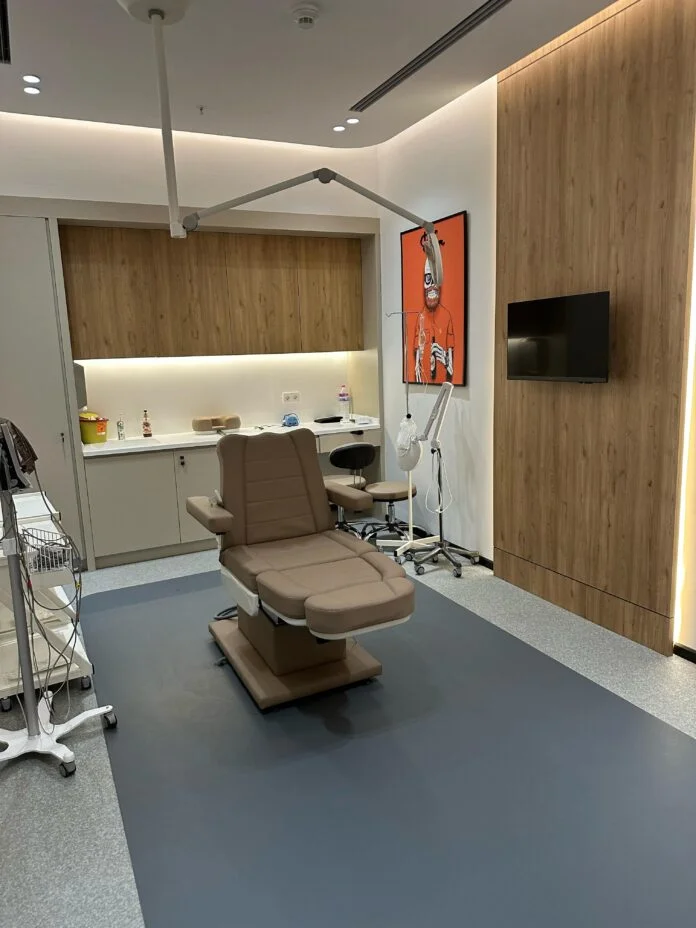
The Ultimate Guide to Finding the Best Hair Transplant Clinic
Understanding Hair Transplants Hair loss can be a distressing experience for many individuals, impacting self-esteem and confidence. Fortunately, hair transplant procedures have advanced significantly, offering effective solutions for hair restoration. However, the success of a hair transplant greatly depends on choosing the right clinic. In this comprehensive guide, we will explore everything you need to know about finding the best hair transplant clinic. What is a Hair Transplant? A hair transplant is a surgical procedure that involves moving hair follicles from one part of the body, typically the back or sides of the head, to the balding or thinning areas. This procedure aims to restore hair growth in areas affected by hair loss. Types of Hair Transplant Procedures Benefits of Hair Transplants Key Factors to Consider When Choosing a Hair Transplant Clinic Experience and Qualifications of the Surgeon The skill and experience of the surgeon play a crucial role in the success of a hair transplant. Look for surgeons who are certified by relevant boards and have a proven track record in performing hair transplants. Clinic Reputation and Patient Reviews Research the clinic’s reputation by reading patient reviews and testimonials. High satisfaction rates and positive feedback are indicators of a reliable clinic. Technology and Techniques Used Ensure the clinic uses the latest technology and techniques for hair transplantation. Advanced methods such as robotic-assisted FUE and PRP therapy can enhance the results. Aftercare and Support Services Post-operative care is essential for a successful hair transplant. Choose a clinic that offers comprehensive aftercare services, including follow-up appointments and support during the recovery period. Why the Right Clinic Matters Choosing the right clinic is crucial for achieving the desired outcome. An experienced and reputable clinic ensures: Conversely, opting for an inexperienced clinic can lead to unsatisfactory results and potential health risks. How to Research Hair Transplant Clinics Online Resources and Platforms Utilize online platforms like RealSelf, Trustpilot, and Google Reviews to gather information about various clinics and their patient experiences. Consultation and Asking the Right Questions Schedule consultations with multiple clinics to ask about their experience, success rates, and the techniques they use. Don’t hesitate to ask for before-and-after photos of previous patients. Checking Before-and-After Photos Reviewing before-and-after photos of previous patients gives you an idea of the surgeon’s skill and the potential results you can expect. Patient Testimonials and Success Stories Real-life examples of successful hair transplants can provide motivation and assurance. Many clinics feature patient testimonials and success stories on their websites. The Cost of Hair Transplants Factors That Influence the Cost Cost Comparison Between Different Clinics and Countries Prices can vary significantly between clinics and countries. For instance, hair transplants in Turkey are generally more affordable compared to the USA or Europe, without compromising on quality. Financing Options and Insurance Some clinics offer financing options to make hair transplants more affordable. It’s also worth checking if your health insurance covers any part of the procedure. Preparing for Your Hair Transplant Pre-Surgery Consultations and Preparations During the pre-surgery consultation, the surgeon will assess your scalp and discuss the best approach for your hair transplant. Follow any pre-operative instructions provided by the clinic. What to Expect on the Day of the Procedure On the day of the surgery, you will undergo local anesthesia, and the surgeon will begin the transplant process. The procedure can take several hours, depending on the number of grafts. Post-Surgery Care and Recovery After the procedure, follow the aftercare instructions given by your surgeon. This may include avoiding strenuous activities, taking prescribed medications, and attending follow-up appointments. Common Myths About Hair Transplants Debunking Common Misconceptions Myth: Hair transplants are only for men. Fact: Both men and women can benefit from hair transplants. Myth: Hair transplants look unnatural. Fact: With advanced techniques, hair transplants can achieve very natural-looking results. Tips for Maintaining Transplanted Hair Frequently Asked Questions Expert Answers and Advice Consult with your surgeon for personalized advice and answers to any additional questions you may have. Conclusion Choosing the best hair transplant clinic is a crucial step towards achieving successful and natural-looking results. By considering factors such as the surgeon’s experience, clinic reputation, and the techniques used, you can make an informed decision. Remember, the right clinic can make all the difference in your hair restoration journey.
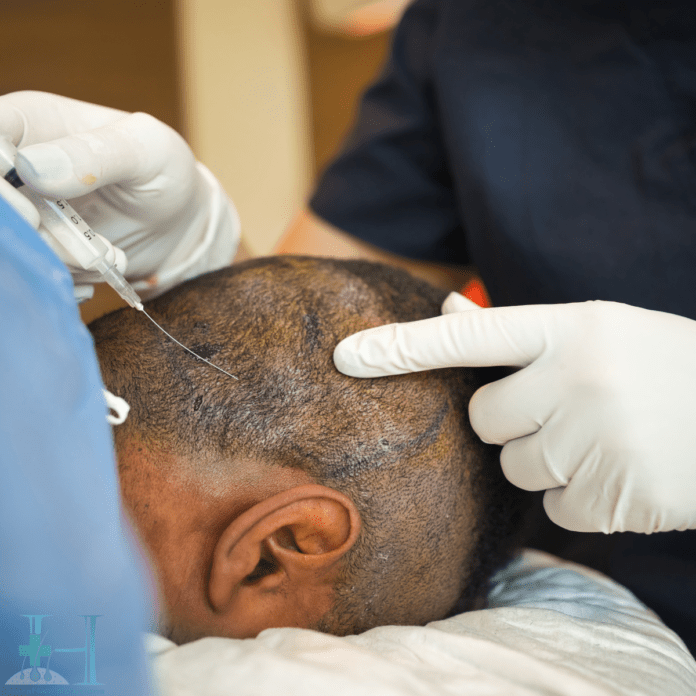
DHI vs FUE Hair Transplants: Which Method Is Right for You?
Introduction When considering a hair transplant, the decision often comes down to choosing between two popular methods: Direct Hair Implantation (DHI) and Follicular Unit Extraction (FUE). Both techniques have their unique advantages and can provide excellent results, but understanding their differences is crucial to making an informed decision. In this post, we will compare DHI and FUE to help you determine which method is best suited for your needs. What is DHI? Direct Hair Implantation (DHI) is a hair restoration technique that involves extracting hair follicles from the donor area and implanting them directly into the recipient area. This method uses a specialized tool called a Choi pen, which allows for precise implantation without the need for creating recipient sites beforehand. Key Benefits of DHI: What is FUE? Follicular Unit Extraction (FUE) is another advanced hair transplantation technique that involves extracting individual hair follicles from the donor area and implanting them into the recipient area. Unlike DHI, FUE requires the creation of recipient sites before implantation. Key Benefits of FUE: Comparing DHI and FUE Procedure Recovery Time DHI: Generally quicker recovery due to reduced trauma. FUE: Slightly longer recovery as recipient sites are created beforehand. Natural Appearance DHI: Offers more control over hair placement, resulting in a more natural look. FUE: Also provides natural results, though it may require more skill from the surgeon. Cost DHI: Typically more expensive due to the advanced technology and precision involved. FUE: Generally more affordable, making it accessible to a wider range of patients. Which Method is Right for You? Choosing between DHI and FUE depends on several factors, including your budget, desired results, and personal preferences. Consulting with a qualified hair transplant specialist can help you determine the best method for your specific needs. Conclusion Both DHI and FUE are highly effective hair transplant methods that can deliver outstanding results. By understanding the differences between these techniques, you can make an informed decision and achieve the hair restoration you desire. For more personalized advice, contact a reputable hair transplant clinic and schedule a consultation with an expert. If you’re considering a hair transplant in Turkey and want to learn more about which method is best for you, contact us today to schedule your consultation. Our experienced team is here to help you achieve the best possible results.

