

Hair loss in women is not the same as hair loss in men. Men tend to have a receding hairline or bald spots, while for women, the hair thins all over. We know these differences at Hera Hair Clinic, which we focus on. This makes our readers eager to know about how hair transplant procedure differs for women and men. Women v/s Men: Reasons Behind Hair Loss Most hair loss in men is genetic, which causes male-pattern baldness. So, hair restoration is very simple because it follows a predictable pattern. Women, on the other hand, lose hair because of hormonal fluctuations, medical conditions or stress. The thinning is more diffuse, needing a different transplantation approach. Understanding these unique challenges in female hair transplant Hair transplant for women involves different challenges. Women seldom have full bald patches, making finding donor sites more difficult. (Also, hair loss patterns are very different.) Therefore, selecting a clinic that specializes in female hair restoration, such as Hera Hair Clinic, is of utmost importance. Techniques of Hair Transplant in Women There are two main methods for hair transplants: Follicular Unit Extraction (FUE) and Follicular Unit Transplantation (FUT). While both work well for men, women tend to favor FUE more often. Scalp micropigmentation does not involve shaving the scalp, making it less visible. These are the reasons why at Hera Hair Clinic, we aim for the best results in each case when treating our patients. Why Women Must Be Approached Differently Hair loss in women rarely occurs in a defined pattern like in men. So planning the procedure is paramount. An experienced surgeon must see the scalp objectively and plan a procedure that evenly integrates with natural hair growth. At Hera Hair Clinic, our expert technicians utilize state-of-the-art techniques to guarantee the most natural results possible. Women’s Path from Addiction to Recovery The basics of recovering from a hair transplant for both genders are similar, though women do require a bit more care. As hair thinning still continues following the transplant, there is a need for proper post-procedure care. While we share tips to keep hair healthy and achieve long-term results – full details here. Hair Transplant Success Rate in Women Hair transplants have an excellent track record in men, but in women it depends on the accurate diagnosis of hair loss type. Excellent results are attained by women with stable donor areas. [Smart Tips: We at Hera Hair Clinic examine every patient in detail before suggesting a treatment] Doing this promotes a higher rate of patient satisfaction and success. Best Hair Transplant Clinic in Turkey Do your research on a clinic that is accustomed to performing female hair restoration. Most clinics focus on male patients only, and as a result, women do not always get the best possible results. Hera Hair Clinic is dedicated to female hair transplant in Turkey, providing strategies tailored to your individual needs. Our expert team is experienced with women’s hair loss and addresses resulting hair loss patterns with therapeutic approaches. Women Hair Transplant Cost There is the cost for a hair transplant based on the degree of hair loss and the method used. Women tend to need more grafts because of diffuse thinning, so it can be a little more expensive. At Hera, our pricing is transparent, and we are committed to making sure that all of our patients know the details of what they’re getting before deciding to move forward. Other Treatments for Women Women are not necessarily perfect sex transplant candidates. For those who are not candidates for a transplant, other treatments may be available to manage their disease. PRP therapy, medications, and lifestyle changes can all help improve hair health. Our specialists in Hera Hair Clinic help the patients direct towards the best solution regarding their condition. Final Thoughts A hair transplant for women is different from a hair transplant for men. This will take a tailored process for the optimum outcome. Get in Touch with Our Specialists at Hera Hair Clinic, the best hair transplant clinic in Turkey. Our expert care is designed to meet women’s unique needs. Schedule your consultation today and take the first step in restoring your hair confidence!

Sex After Hair Transplant: When Is It Safe Again?
It’s a life-changing procedure. It makes you look better and feels a bit more confident. However, aftercare after surgery is important for the results. A frequent question patients have is when they can safely have sex again. It’s a completely normal impulse, but having sex too soon can affect the healing process. Learn the timeline of appropriate precautions to take so your hair transplant heals correctly. Let’s take a look at when it’s safe to have sex again and what risks to consider during recovery. Can You Have Sex After a Hair Transplant? Hair transplants just involve delicate little grafts that take time to settle and heal. In the initial few days, the newly implanted hair follicles are very delicate. Even a minor strain or movement can upset them and lead to problems. Sexual activity — like any physical activity — raises heart rate and blood pressure. That can cause excess swelling to occur in the scalp. Sweating is another concern. In the immediate healing phase, the scalp needs to be clean and devoid of bacteria. Excessive sweat may lead to chafing or infection. Accidental trauma is another big risk. It’s easy to make jerky movements during sex or bang your head against something. Grafts can also be jostled loose by even gentle pressure on the scalp, before they reattach completely. When it does, results range from patchy hair growth to graft failure. Strenuous activity — including sex — also shunts energy away from healing. Surgery takes a toll on the body and it requires time to heal. Excessive physical activity too early may inhibit healing and impact outcomes. When Is It Safe to Have Sex Again? The general guideline is to hold off for at least seven to ten days until having sex again. But every patient gets better at their own speed. Some will take longer to recover, based on how their body responds to the procedure. The first 72 hours following a hair transplant is a critical recovery period when physical exercise must be limited. The scalp remains at its most sensitive and potential graft dislodgement is prevalent. Bending forward or lying in some positions even puts pressure on the implanted follicles. Rest and keeping your head elevated is essential during this period for recovery. At 4–7 days: Gentle activities may be possible but caution is advisable. It is also important to remember that the scalp is still healing and should not be exposed to heavy sweating or movement. Sex should be avoided until the scabs on the scalp fall off by themselves, which is a sign of healing process. The majority of hair grafts are stable after ten days. By this point, most patients feel fine returning to their usual routine, including sex. But you should be gentle and refrain from any work that can exert pressure on your scalp. This means, after 14 days, to avoid inadvertently damaging the newly planted follicles, even more care should be taken. Remain Safe Tips for Recovery Although some time may need to pass for optimal healing, the results of your hair transplant can be protected further by following some important precautions. So, it is better to stay away from profuse sweating because moisture can irritate the scalp and a good place for the bacteria to grow. Do not rub but lightly pat dry the scalp if sweating does occur. No physical activity that applies direct pressure on the head. The hair follicles are by all means, sensitive and any application of pressure or friction on the scalp can dislodge them. Sleeping positions should be considered, too, as putting the head against a pillow incorrectly can interfere with healing. Another important recovery factor is staying hydrated. Drinking water improves circulation and speeds up the recovery. Good nutrition is also a factor; the right diet helps repair tissue and aids new hair growth. The early recovery phase should be free of alcohol and smoking. Both substances inhibit recovery from surgery and can compromise the success of the transplant. Smoking, above all others, inhibits blood flow to the scalp, where the new hair follicles will form. Above all, adhere to all post-operative instructions given to you by your hair transplant surgeon. The healing process is unique to each person, and a professional would provide tailored advice based on your condition. If there is any pain, strange swelling or redness after sexual activity is resumed, then the immediate treatment for them should be sought. Hera Hair Clinic: Hair Transplantation Specialists If You Are Hair Transplant Candidate, Choose Right Clinic will Give A carefree Results Hera Hair Clinic – Experts in Hair Restoration with Cutting-Edge Technology and Your Needs as Top Priority From the initial consultation to aftercare, their team of professionals guarantees a seamless and safe process. The best hair transplant in Turkey advise how to make the most of your new hair and protect it for the best possible result. The latest technology is utilized to ensure quality care.

The Reasons for Hair Loss
Hair loss is a problem many millions face. It can be upsetting and take a toll on self-esteem. Before going for a specific solution, the most important thing is to understand what causes hair loss to take the right approach. Our specific expertise is in modern hair restoration methods. Our surgeons at Hera Hair Clinic have spent over a decade learning the best techniques to create and restore hair in a natural way. Understanding why hair loss is so important to taking more informed decision about treatment if you are experiencing any hair loss. Genetics: The Leading Cause Hereditary hair loss – one of the most common causes of hair loss. This condition, called androgenetic alopecia, affects both genders. It happens when hair follicles shrink over time, resulting in thinner hair and eventually baldness. Men typically have a receding hairline and bald spots; women have general thinning. Hair loss is progressive but can be treated. But with early treatment, the process can be slowed down and existing hair can be preserved. Hormonal Imbalances Hormones are the key players in hair growth. Alterations in testosterone, estrogen and thyroid hormones can cause hair loss. Women frequently have thinning hair due to pregnancy, postpartum and menopause. Hormonal disorders in men can lead to excessive hair fall. An underactive or overactive thyroid gland can contribute to hair thinning as well. Some of them, when restored to their optimal status, can even reverse hair loss. This is important because medical advice is unique to individual cases. Stress and Lifestyle Factors Hair follicles weaken due to emotional stress, a poor diet, and unhealthy habits. And elevated levels of stress can cause a type of hair loss known as telogen effluvium, in which a lot of hair falls out all at once. Other lifestyle factors include; Nutritional Deficiencies – Minerals such as iron, zinc, and biotin essential for hair growth. Smoking and Alcohol – These habits cause the blood to not flow as well in the scalp. Over Hair Treatments Persistence of coloring, heat styling and use of strong chemicals damages the hair strands. Medical Conditions A number of health conditions may lead to hair loss. These include: Alopecia Areata—An autoimmune disorder which occurs when the body attacks its hair follicles resulting in sudden bald spots. Infection– Fungal infections, such as ringworm, can cause temporary hair loss. Chronic Illnesses – Diabetes, lupus, and anemia are conditions that can cause hair thinning. With treatment of some underlying health issues, hair growth can often return. If you’re experiencing abnormal hair loss, speak to a physician to rule out medical reasons. Medications and Treatments Some medications can lead to hair shedding as a side effect. These include: Chemotherapy drugs — Treat cancer but will cause temporary baldness Blood pressure medications — Certain ones cause excessive shedding. Antidepressants and surfactant pills – Hormonal changes from these medicines can influence the hair growth. If you suspect a dose may be affecting your hair, talk to your doctor to see about a different medication. In most cases hair grows back once the treatment is stopped. Aging and Hair Loss It is normal for hair to become thinner and weaker as we age. The hair growth cycle races to a halt, and the scalp yields fewer new strands. It’s more prominent in men over 40 and women after menopause. Although this is a normal process, there are treatment options that can help keep your hair looking fuller and healthier. How Hera Hair Clinic Can Help? If you suffer from hair loss, you are not alone. Our specialists can provide you with state-of-the-art hair replacement technology, including: Sapphire FUE Hair Transplants – They are nonsurgical procedures providing organic outcomes. PRP Therapy – The injections of platelets work on your scalp to regenerate hair. Scalp Micropigmentation – A non surgical approach to achieve a fuller head of hair look DHI Hair Transplant – A precise implantation method ensuring maximum density and natural results. Manual Hair Transplant – A refined, hands-on technique for precise follicle extraction, ensuring natural-looking results. Stem Cell Therapy – A cutting-edge treatment using your body’s own stem cells to regenerate and stimulate hair growth naturally. As you know, we are here if you’re looking to stop hair loss. Get a consultation at Hera Hair Clinic today, the best hair transplant in Istanbul. It’s our job to lead you down the optimal path for your hair restoration coverage.

Pimples After a Hair Transplant: What to Do?
Getting a hair transplant is a decision that changes life. It was restored hair or restored confidence. Like any procedure, however, it has minor side effects. A popular one is pimples on the scalp after surgery. That is normal, and generally harmless. But proper care is essential to prevent discomfort and complications. At Hera Hair Clinic, we help our patients each step of the way on their recovery. If pimples appear following your transplant, don’t stress. Let’s look at what causes them and how to treat them effectively. Reasons Behind Pimple Formation After Hair Transplant The transplanted area may develop small pimples or pustules. It is something that normally occurs within the first couple weeks. It’s actually called folliculitis; when hair follicles get inflamed. New hairs start to grow, but they can become trapped under the skin. This can lead to small red or white bumps. Other such reasons may be: Pores clogged with oil and dead skin Improper hygiene resulting in bacterial infection Irritating from touching the scalp too much Ingrown hairs These pimples are generally harmless and tend to go away on their own. But in some instances they can turn to pain or infection. That’s why it’s important to know how to handle them. How to Get Rid of Pimples After Hair Transplant Keep Your Scalp Clean Proper hygiene is key. Avoid scrubbing up your scalp and wash with a pH volume (pH) shampoo under the instructions given by your surgeon. It helps remove dirt, oil and bacteria that can get caught in pores. If your scalp is sensitive, stay away from strong chemicals and harsh shampoos, because these can irritate the skin. Avoid Scratching or Picking Pimples may look tempting to touch, but resist the urge at all costs. Scratching introduces bacteria and exacerbates the infection. It can also harm the healing grafts, impacting your results. Use Warm Compresses Use a warm compress to soothe the area. It also opens up the pores and helps the pimples to naturally drain out. Use a soft clean cloth dampened with warm water. Use it on the specific area for a few minutes daily. Apply Topical Treatments Mild antiseptic or antibacterial creams can help. But before taking any medication always consult with your hair transplant doctor. They may suggest a particular ointment or lotion that’s safe to put on your damaged scalp. Avoid Excessive Sweating Sweat can trap dirt and bacteria in the scalp, making pimples worse. Give Up Heavy Exercise: Avoid heavy exertion for a few weeks after surgery. If you do sweat, lightly rinse your scalp with lukewarm water. Drink Plenty of Water and Maintain a Balanced Diet The food you eat impacts your skin’s health. Stay hydrated and eat foods high in vitamins and antioxidants. 3. Avoid greasy and processed foods that are proven to increase oil production. Consult your doctor if necessary If the pimples enlarge or become painful or pus-filled, see a doctor. Your surgeon might give you antibiotics or other treatments to stave off infection. If you want, our experts at Hera Hair Clinic never leave you alone. Pimples after hair transplant: Stopping in How Long? The pimples form between the 2nd and 8th week after surgery. They tend to go away on their own in a few weeks. Yet even a handful of months later, some patients may notice tiny breakouts, as hair continues to grow anew. This is normal and temporary. If the breakouts continue for a long time, consult your specialist to rule out any underlying issues. Pimples After Hair Transplant: Prevent Them Although some pimples are inevitable, there are ways to decrease the chances of getting them: Be meticulous about following your surgeon’s post-operative care instructions. Wash your scalp well, but do not wash too frequently. Don’t use anything other than the hair care products prescribed. Don’t wear tight hats or other head coverings that trap perspiration. Eat a balanced diet for healthy skin. We offer personalized aftercare at Hera Hair Clinic to achieve maximum results. Our experts share tips on maintaining the health of your scalp and preventing further complications as the best hair transplant in Turkey. Final Thoughts Pimples after hair transplant are temporary They typically resolve with adequate treatment. The trick to it is keeping the scalp clean, avoiding irritating and getting treatment if needed. At Hera Hair Clinic, we have a principle that the patient is at the center of everything we do and the focus on recovery starts from initial consultation. Our team will be there to help you with any concerns that you have following your procedure. You deserve a hassle-free road to richer hair! For more information on hair transplants or to speak to an expert, contact Hera Hair Clinic now. Have confidence in getting the best possible results, let us be of assistance!

What are 5 advantages of using stem cells?
Affecting everything from confidence and self-esteem to even daily interactions, hair loss is more than just an aesthetic problem. Conventional treatments can be hit or miss, and for many they don’t deliver the results they truly want. But hair restoration has now stepped into a new age, thanks to advanced stem cell technology. At Hera Hair Clinic Turkey , we specialize in advanced stem cell hair transplantation – a new generation hair transplantation technology that guarantees natural and lasting results. So if you’re contemplating hair restoration, here are the five most important reasons why stem cell therapy is the future. The kind to grow your hair out that actually sticks Stem cell therapy works with your own body’s natural processes — the greatest advantage. Unlike traditional transplants, which essentially pick up hair from one section of the scalp and transplants it to a bald patch, stem cells boost follicle growth. That means your hair doesn’t merely look natural — it grows naturally. And the results? They last. Because the treatment brings dormant follicles back to life, new strands keep coming for years. It’s not a temporary fix. It’s a long-term solution for those frustrated with thinning hair or bald patches. A Minimally Invasive Solution For most, the thought of an operation is daunting. Old school hair transplants would involve cutting and stitching along with a longer healing process. This is not the case with stem cell therapy. It’s a minimally invasive procedure that relies on small injections rather than incisions. This whole process is easy and pleasant. No stitches, no big cuts and no long downtime.” The majority of patients experience little or no discomfort and resume their normal routines within days. In Hera Hair Clinic, every step is the easiest and the most painless. Thicker, Stronger Hair Density is a common concern when it comes to hair restoration. Many people discover that even after a transplant, their hair is still thin or weak. Stem cells address this issue by not only regrowing hair but enhancing its quality. The treatment strengthens hair follicles from the inside out, causing them to produce thicker, fuller strands. It makes a significant difference in hair thickness and glow. Gone are the fine, wispy hair—only healthy, resilient growth that meets the line of your natural look. Ideal for Advanced Hair Loss Not everyone is a candidate for a standard transplant. Others have such severe loss, that they have little donor hair to use. When this happens, it may not be feasible to choose the traditional methods. With stem cell therapy, the equation changes. And because it works by triggering the growth of new follicles, it can even help those with significant baldness. People who previously believed they had no other choice now have a natural way to regrow their hair. Reduced Downtime, Quicker Recovery Healing process: One of the major fears with any medical procedure. Traditional transplants take weeks to recover from, with swelling, scabbing and discomfort. Because stem cell therapy is far less invasive, the recovery time is drastically reduced. Most patients get mild redness, which disappears within days. Because the treatment doesn’t require large incisions, there’s no need to take off long periods of time from work or other routine activities. And the best part? It can take time before the full results are seen, but new hair starts to naturally grow within days. Ready to Restore Your Hair? If you are someone who are facing baldness problems and looking for a natural and future treatment method, then it is time to go for our stem cell hair transplant. Here at Hera Hair Clinic, we stand by you, helping you achieve fuller, healthier hair with boosted confidence. Whether you’d like to learn more about our procedures, we recommend you book a free consultation today to get started on the road to hair restoration. To find out more and book your appointment, visit us online. Here is your journey to thicker, stronger hair. Why Choose Hera Hair Clinic? Hera Hair Clinic is one of the best hair transplant clinic in Turkey. We use cutting-edge technology along with our team of expert professionals that are on hand to deliver awesome results. We are not only about treatments—we deliver personalized solutions based on your individual pattern of hair loss. From start to finish, our clinic features state-of-the-art facilities for a professional and comfortable experience. And we do not approach this with the same mindset as many clinics that are focused on short-term results at the expense of long-term quality of life.

Is Castor Oil Good For Your Hair?
For many centuries, use of Castor oil has been touted as the natural remedy for improved scalp health and hair regrowth. Many say it strengthens hair, prevents breakage and even makes it grow faster. But does it really work? Or is this another beauty myth? Let’s break down the science behind castor oil and find out if it really works for hair. What Is Castor Oil? A viscous nutrient-rich vegetable oil derived from castor plant seeds (Ricinus communis) that has been used in traditional medicine and beauty care for centuries. The oil contains high levels of ricinoleic acid, a fatty acid known for its anti-inflammatory, antibacterial and moisturizing properties. These qualities make castor oil a frequent ingredient in hair and skincare products. Castor Oil for Hair: The Benefits Castor oil is one among many recommended natural remedies for hair growth and the general health of the scalp. Although the scientific evidence is limited, some of its properties indicate that it can help improve the nature of hair. Enhances Scalp Health A healthy scalp comes before strong, beautiful hair. The antimicrobial and anti-inflammatory properties of castor oil can help reduce dandruff, relieve an itchy scalp and prevent bacterial or fungal infections. It helps to provide an environment where hair can flourish by keeping the scalp clean and nourished. Deeply Moisturizes Hair Dry hair is more susceptible to damage, frizz, and breakage. Castor oil is a natural humectant, which means that it is able to draw and hold moisture. It makes hair softer, shinier and easier to work with. Frequent usage can help to fight dryness; it’s great for curls or coarse hair types. Minimizes Hair Breakage and Split Ends Breakage is less common with strong hair. It envelops the hair shaft, forming a shield against environmental damage, heat styling, and chemical treatments. So, over time, by reducing split ends and preventing extra breakage, castor oil can make hair dipped as thicker and healthier. May Promote Hair Growth One of the most common claims about castor oil is that it can promote hair growth. While there is no concrete scientific evidence that it actually promotes hair growth, its quality of stimulating blood circulation when rubbed in the scalp can lead to healthier and stronger hair follicles. Which may promote better hair growth over time. Is Castor Oil Effective For Everyone? Castor oil affects individuals differently. Some people experience improvements in hair thickness and strength, but others may see improvements only in moisture retention and scalp health. Results are dependent on several factors such as hair type, genetics, and overall scalp condition. How to Use Castor Oil for Best Results? To achieve the best outcome, it is crucial to apply castor oil correctly. It is quite viscous so it can be hard to apply and wash out. It is easier to use when mixed with a lighter oil, like coconut or argan oil. How to Apply: Warm a small amount of castor oil enough to help it penetrate the skin better. This will make it easier to apply — mix it with a carrier oil. Gently massage into wet hair and scalp for 5-10 minutes with circular movements. Give the rest of the oil to the lengths of your hair. Once you have applied the mask, leave it on for a couple of hours or overnight for deep conditioning. Rinse it out well with a gentle shampoo. Best to do this 1-2 times a week. When to Get Professional Help? If you’ve been trying home remedies but still see excessive hair thinning or bald patches, it might be time to see a specialist. Expertise of Hera Hair Clinic ProvidesYou Customized Hair Restoration Solutions For You. Including non-surgical treatments such as PRP therapy and advanced hair transplants, Hera Hair Clinic is a leading specialist in the field of hair loss treatment. As the best hair transplant in Istanbul, The specialists will ensure that you get the care you deserve and finally get your hair back. Final Verdict: Should You Give Castor Oil a Try? Castor oil is a powerhouse in any hair care routine. It aids with hydration, scalp health, and breakage prevention. Though not a sure fire remedy for hair growth, it can absolutely help with the quality of hair in general. But if you’re experiencing significant hair loss, it’s wise to consult a professional. Hera Hair Clinic The People Behind Expert Hair Restoration. Their team will assist you in choosing the best solution for fuller, healthier hair.
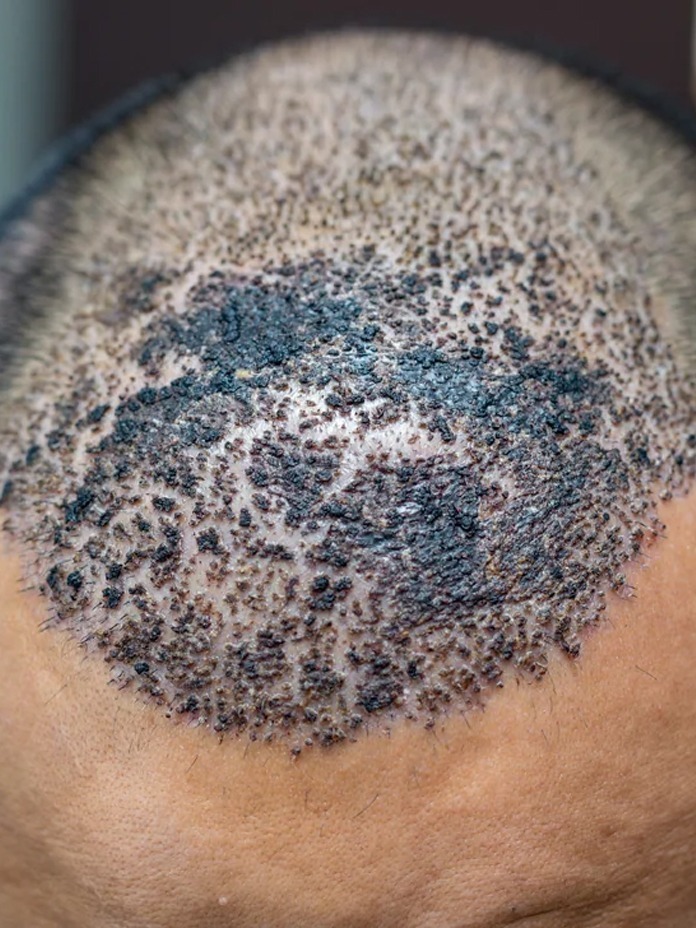
How To Avoid The Side Effects After Hair Transplant Surgery?
Hair transplant surgery is a life-changing procedure for many. It restores not just hair but confidence too. However, like any medical procedure, it can come with potential side effects. Knowing how to prevent or minimize these is crucial for a smooth recovery. At Hera Hair Solutions, we provide the best post-operative care. Our experts will be dedicated to ensuring that you have the best result with the least amount of discomfort. In this blog, you will be guided on how to avoid the common side effects of hair transplant surgery. Common Side Effects of Hair Transplant Surgery Hair transplant surgery is considered to be very safe. However, some minor side effects are expected. These include: Swelling: Swelling may appear on the forehead and around the eyes. Itching: Some patients report an itchy scalp. Scar ring: Tiny scars may be seen based on the procedure. Infections: Infections are possible in very rare cases, should the care measures be not followed. Shock Loss: Normal post-operative shedding of hair occurs. Let us now discuss the precautions needed in order to reduce or avoid these side effects. Follow Your Surgeon’s Advice Your surgeon’s instructions are tailored for you. Follow them carefully. At Hera Hair Solutions, we provide detailed guidelines for post-surgery care. These include: How to clean your scalp. When to take prescribed medications. Avoiding certain activities. Ignoring professional advice can lead to complications. Keep Your Scalp Clean Hygiene is a must. Clean your scalp as advised. Use a mild shampoo prescribed by your doctor. Avoid rubbing your scalp harshly. Pat dry instead of rubbing with a towel. A clean scalp prevents infections and promotes healing. Do Not Touch Your Scalp It is so tempting to touch or scratch your scalp. Do not do it. Scratching may damage the grafts and may increase the chances of infection. If itching becomes unbearable, seek relief from your doctor. Sleep with Your Head Elevated Swelling is a common side effect. Sleeping with your head elevated reduces swelling. Use extra pillows or an adjustable bed. Avoid sleeping flat on your back for the first few nights. Avoid Physical Strain Heavy lifting, intense workouts, and bending over can stress your scalp. This can cause interference with healing. For at least two weeks, avoid heavy work. Hera Hair Solutions advises walking instead. Prevent Sun Exposure on Your Scalp Your scalp is sensitive after surgery. Sunlight can cause damage to it. Wear a loose-fitting hat when stepping outdoors. For at least a month, avoid extended exposure to the sun. Hydrate and Eat a Balanced Diet Healing requires proper nutrition. Drink plenty of water. Include protein, vitamins, and minerals in your diet. Foods rich in Vitamin C and zinc aid tissue repair. A healthy body heals faster. Avoid Smoking and Alcohol Smoking and alcohol do slow healing. Nicotine constricts blood, which is necessary for hair growth. Alcohol can interact with your medications. Stay away from both of these substances at least two weeks after surgery. Don’t Panic over Shock Loss Temporary hair loss, or “shock loss,” is normal after a transplant. This is part of the growth cycle. Stay calm. New, permanent hair will grow within a few months. Trust the process. Attend Follow-Up Appointments Regular follow-ups are very important. This will help your doctor keep track of how you are healing. At Hera Hair Solutions, we follow up with you to make sure you’re healing well. Never miss this appointment. Why Hera Hair Solutions? At Hera Hair Solutions, we care for your safety and satisfaction as the best hair transplant in Istanbul. Our professionals provide quality care before, during, and after surgery. Here’s why you should consider Hera Hair Solutions: Personalized care plans. State-of-the-art facilities. Transparent pricing. 24/7 support for your concerns. Your journey does not end after surgery. We are here to guide you every step of the way. Conclusion It is easy to avoid side effects after hair transplant surgery if proper care is taken. You should follow your surgeon’s advice, maintain good hygiene, and adopt healthy habits. Recovery takes time, but the results are worth it. If you’re considering a hair transplant or need guidance post-surgery, contact Hera Hair Solutions. Our experienced team ensures a safe and successful experience.
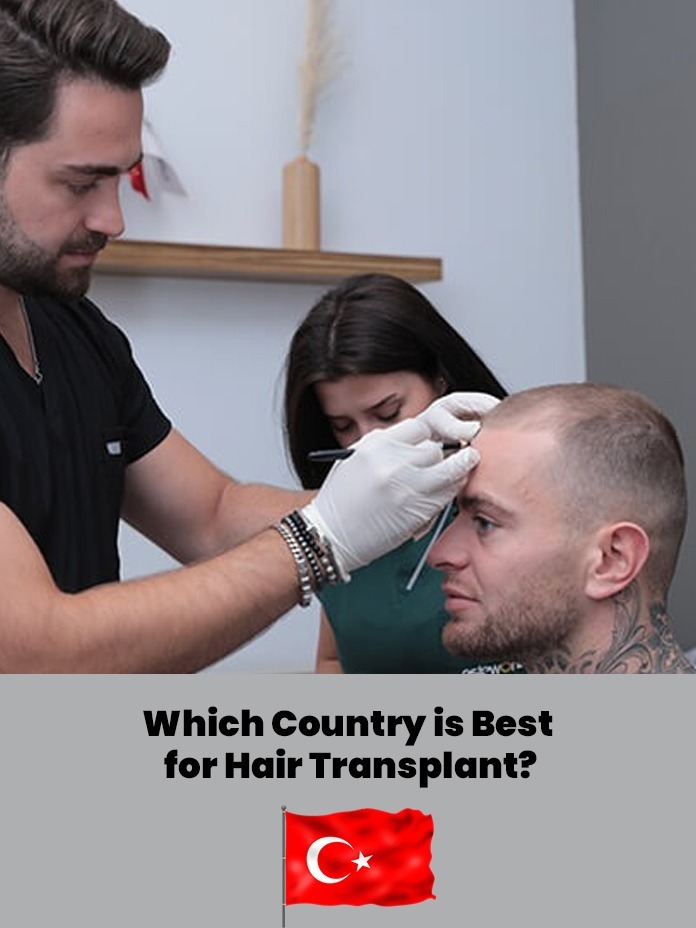
Which country is best for hair transplant?
Hair loss is a common problem. It affects millions of people worldwide. Many individuals seek effective solutions. Among these, hair transplants are a top choice. But the question arises: which country is best for hair transplants? The answer is simple—Turkey. Why Choose Turkey for Hair Transplants? Turkey is the leading destination for hair transplants. It has earned this reputation for several reasons: Affordable Costs Hair transplants in Turkey are quite cheaper than in many other countries. High-quality treatments at a fraction of what one would pay in the US, UK, and Europe. Patients save up to 70%. Experienced Surgeons Some of the best hair transplant surgeons in Turkey operate from there. The people there boast of experienced and well-trained individuals. Therefore, they provide excellent results through advanced techniques. State-of-the-Art Clinics Turkish clinics have modern technology. They meet the standards of healthcare on an international scale. This is to guarantee patient safety and ensure good results. Advanced Techniques Turkey clinics utilize new techniques, including FUE (Follicular Unit Extraction) and DHI (Direct Hair Implantation). The procedures are not invasive, and the outcome will be very natural-looking. Comprehensive Packages Most clinics offer all-inclusive packages. The services include consultation, surgery, accommodation, and transport. All this makes it convenient for patients to travel abroad for the treatment. Proven Success Rates Turkey has a track record of successful hair transplants. Thousands of patients leave satisfied with their results. Best Hair Transplant in Turkey: Hera Hair Solutions If you’re considering the best hair transplant in Turkey, choose Hera Hair Solutions. This clinic is a trusted name in Turkey’s hair restoration industry. Why Is Hera Hair Solutions Unique? Expert Team The company has a team of highly skilled professionals in the field of hair solutions. They make it possible for all the patients to receive customized treatment. Advanced Methods The clinic uses modern methods which include FUE and DHI among others. These techniques give accurate and realistic solutions. Affordable Packages Hera Hair Solutions is cheap when it comes to the packages they provide. These are consultation, treatment, stay and airport transfers. Comfort and Convenience Hera Hair Solutions coordinates every aspect of your hair from the time you arrive to the time you leave. It makes the patients comfortable the entire time. High Success Rate Hera Hair Solutions has made it possible for many patients to get back their self esteem. It is for this reason that I can only refer to their results. That brings us to the next question: What to Expect during the Process? That is not the case at Hera Hair Solutions where the whole process is a one-stop shop. Here’s a step-by-step guide: Consultation You will receive your first appointment. This can be done either through the internet or physically. Your hair loss will be diagnosed by the doctor and the best treatment advised. Treatment Plan You are provided with a tailor made plan. It entails the number of grafts required, as well as the method to be employed. Surgery The operation is carried out in a contemporary surgical center. The procedure is not painful and it only takes a few hours. Recovery Post-surgery you will be given specific instructions regarding the aftercare of the area. The recovery is fast, and you should expect positive changes within months of taking the treatment. Why Do People Trust Turkey for Hair Transplants? Turkey’s popularity as a hair transplant destination is undeniable. It combines affordability, quality, and expertise. Patients from around the globe choose Turkey for life-changing transformations. Travel and Hospitality Turkey is not only for hair transplants. It’s also a breathtaking destination. Most patients combine the treatment with their vacation. Turkish hospitality gives everyone a warm welcome. Getting Started You are ready to transform your hair and regain confidence. Hera Hair Solutions is the best place for that. Visit them at herahairsolutions.com/V2/. Schedule a consultation today. Conclusion Turkey is unmatched when it comes to hair transplants. It offers affordable prices, skilled surgeons, and advanced techniques, making it the best choice. Among the top clinics, Hera Hair Solutions is a leader. Their commitment to excellence ensures remarkable results. Do not let your hair fall out before you take any further measures. For the first step toward a fuller head of hair, visit Hera Hair Solutions. Find out how Hera Hair Solutions can help you today.
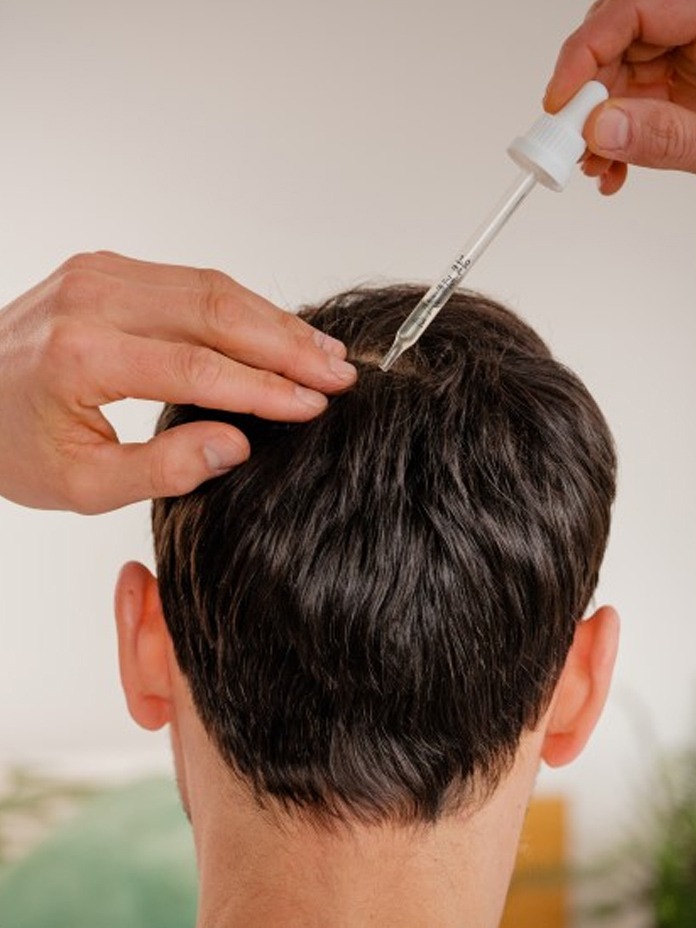
Home Remedies to Control Hair Fall
Hair fall can be stressful. Losing strands daily is normal, but excessive shedding might signal underlying issues. Factors like stress, poor diet, and improper hair care can weaken roots. Thankfully, home remedies can provide relief and restore hair health. Let’s explore effective, natural solutions to tackle hair fall. 1. Oil Massage: The Ancient Secret A warm oil massage works wonders. It improves blood circulation and feeds the scalp. Coconut, almond, and castor oils are good choices for hair. These oils develop hair from root to the tip. Add a few drops of essential oils like rosemary or lavender for some extra benefits. How to use: Heat the oil gently. Massage your scalp with your fingertips in circular motions. Leave it on for an hour or overnight, then wash with a mild shampoo. Repeat twice a week for best results. 2. Aloe Vera: The Miracle Plant Aloe vera is a powerhouse of nutrients. It soothes the scalp and boosts hair growth. Its enzymes repair dead skin cells, reducing dandruff and hair fall. How to use: Extract fresh aloe vera gel from the leaf. Apply it directly to your scalp. Leave it for 30 minutes, then rinse with lukewarm water. Use this remedy 2-3 times a week. 3. Onion Juice for Hair Growth Onion juice is rich in sulfur, which promotes collagen production. It strengthens hair and reduces breakage. Though the smell is strong, the results are worth it. How to use: Blend one onion to extract its juice. Apply it to your scalp using a cotton ball. Leave it for 30 minutes, then wash with a gentle shampoo. Use this remedy once a week. 4. Green Tea: A Natural Antioxidant Green tea is not just for drinking. It works wonders on your hair too. Packed with antioxidants, it reduces hair fall and boosts growth. How to use: Brew two green tea bags in hot water. Let it cool and pour it over your scalp after washing your hair. Massage gently for a few minutes and then rinse with water. Do this twice a week. 5. Egg Mask for Hair Strengthening Eggs are rich in proteins and vitamins. They fix damage and give a natural shine. This treatment is very effective for dry and brittle hair. How to apply: Take one egg in a bowl and whisk with one tablespoon of olive oil. Apply this mixture to the scalp and hair. Then, cover it with a shower cap for 20 minutes. Cold rinse followed by mild shampoo Recommended for usage at least once a week. 6. Fenugreek Seeds: Nature’s Gift Fenugreek, or methi, is a natural hair tonic. It strengthens roots and prevents hair thinning. It also treats dandruff, which can lead to hair fall. How to use: Soak two tablespoons of fenugreek seeds overnight. Grind them into a fine paste. Apply the paste to your scalp and hair. Leave it for 30 minutes, then rinse with water. Do this twice a week. 7. Curry Leaves: Nutrient-Rich Remedy Curry leaves contain beta-carotene and proteins. They help stop hair thinning and bring its original color back. It also reduces hair breakage. How to apply it: Boil a few curry leaves in coconut oil. Strain and let it cool. Massage the oil onto your scalp. Apply it overnight and wash the next morning. Use this treatment once a week. 8. Yogurt and Honey: A Moisturizing Mask Yogurt is a natural conditioner. Honey hydrates and retains moisture. These two ingredients together prevent hair fall and provide shiny and soft hair. How to use: Take two spoons of yogurt and add one spoon of honey into it. Apply the yogurt and honey mixture on scalp and hair. Leave the mixture on for 30 minutes, and then use a mild shampoo for washing it off. Use it every week for maximum benefits 9. Drink plenty and eat right Diet plays a very important role in the health of hair. Include food items containing vitamins A, B, C, and E. Zinc, iron, and omega-3 fatty acids are also included. Drink plenty of water to keep your scalp hydrated. Avoid junk food and sugary drinks. 10. Reduce Stress Stress is one of the common causes of hair fall. Perform yoga, meditation, or deep breathing exercises. Physically active also reduces the stress level. A cool mind will definitely help your hair grow well. If home remedies do not work out, it is time to seek professional help. Hera Hair Clinic specializes in advanced hair restoration treatments as the best Hair transplant in Turkey. They provide personalized solutions tailored to your needs. From diagnosis to treatment, their experts ensure top-notch care. Visit Hera Hair Clinic to regain your confidence and flaunt luscious locks effortlessly.
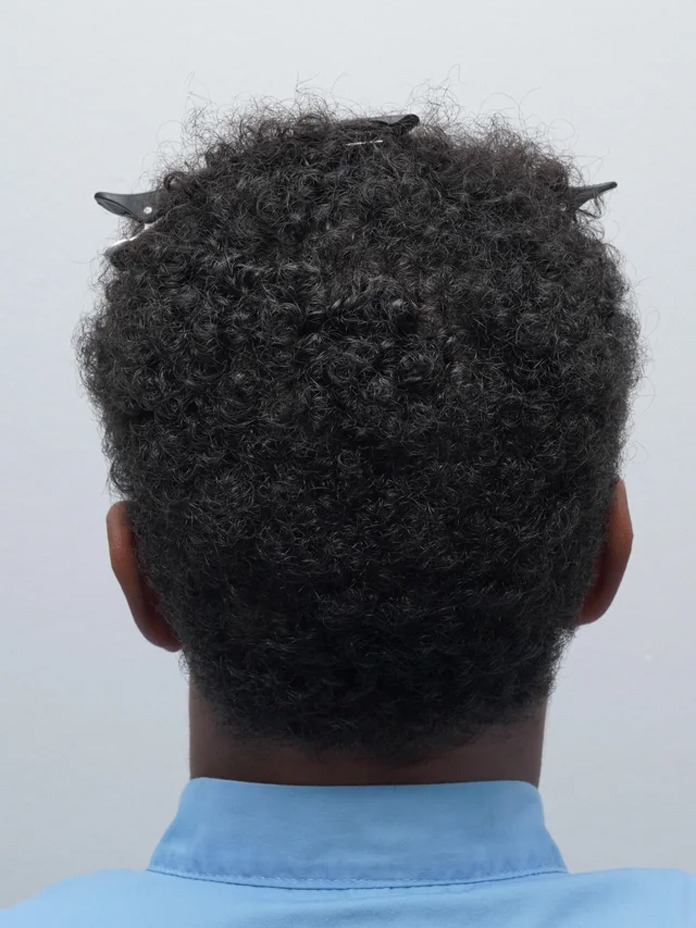
Curly Hair Transplant: Is it Possible?
Hair transplant procedures have developed a lot over the years. They are now an effective solution for people dealing with hair loss. Though the procedure is common, many individuals with curly hair wonder: Is a curly hair transplant possible? The answer is yes. However, there are some unique factors to consider when it comes to curly hair. Understanding Curly Hair and Its Challenges The curl of the hair is structural, and in terms of growth pattern, it is different from that of straight or wavy hair. It begins at the follicle and then grows out as a spiral shape, making it complex in transplantation procedures. Hair follicles for curly hair are not straight. They have a curved shape, and precision is needed in extracting and implantation. Also, the density of curly hair often looks denser since the curls create volume. This is an advantage in transplantation but requires specific handling as well. Techniques in Curly Hair Transplants The two primary techniques to be used for hair transplants are FUE and FUT, or Follicular Unit Transplantation. Though both can be adapted easily for curly hair, skill is the key. FUE for Curly Hair In FUE Hair Transplant, individual hair follicles are extracted from the donor region. For curly hair, that demands special tools and experience in its extraction. The curve of the follicle should be considered to avoid hurting the root. FUT Curly Hair FUT is a process where the strip of skin with the hair follicles is removed from the donor area. Then, the separated follicles are transplanted to the recipient area. In the case of curly hair, the angle and direction of curls should be taken into consideration at the time of implantation. Important Points for Curly Hair Transplants 1. Expertise for Curly Hair Not all surgeons have experience with curly hair. Such hair requires a lot of skill, precision, and understanding of the unique growth pattern. Thus, the selection of the clinic is critical where there is expertise in curly hair transplants. 2. Hair Type and Ethnicity Curly hair is linked to specific ethnic groups. Afro-textured hair has a tighter curl pattern and more curved follicles. This makes it a bit more complicated in transplantation. An experienced surgeon knows how to deal with these differences. 3. Natural Appearance Any hair transplant must achieve a natural appearance. For curly hair, this means that the curls follow the direction of the scalp. If follicles are implanted at an improper angle, unnatural growth will be established. Benefits of a Curly Hair Transplant Even with all the challenges, there are numerous benefits of curly hair transplants: Volume and Coverage Curly hair provides more natural volume even with fewer grafts. This makes it an excellent choice for achieving a full appearance. Confidence Boost A successful hair transplant can restore confidence and improve self-esteem. Many people feel more empowered after addressing hair loss. Permanent Solution Like other hair transplants, curly hair transplants offer a long-term solution to hair loss. Once the transplanted hair grows, it blends naturally with existing hair. The Importance of Choosing the Right Clinic Curly hair transplants require advanced skills. The experience and proven track record of a clinic can make all the difference. It is therefore important to research and select the right clinic to achieve the desired results. Look for clinics that specialize in curly hair, like FUE or DHI hair transplant. Check reviews and ask for before-and-after photos. A consultation with the surgeon can also provide insight into their expertise and approach. Aftercare for Curly Hair Transplants Curly hair transplants also require aftercare. Do not touch or scratch the area where the transplant has been done. Use soft hair products and avoid harsh treatments during the recovery period. Proper aftercare ensures the success of the transplant and promotes healthy hair growth. Be patient, as it may take several months to see full results. Why Hera Hair Clinic is the Right Choice Curly hair transplantations also require expertise. Hera Hair Clinic provides curly and afro-textured hair restoration in hair transplant services. Hera Hair’s experienced team understands what curl needs to overcome common obstacles to provide the best result in curly hair transplantation. This is what makes them the Best hair transplant in Istanbul. As per patients at Hera Hair Clinic, professional yet caring, will produce results naturally, thus bringing permanent change. Whether a straightened-out curl transplant is sought for your curly locks, they’ll be happy to join the quest at Hera Hair Clinic. Look no further. Check them out now, learn from them today.

